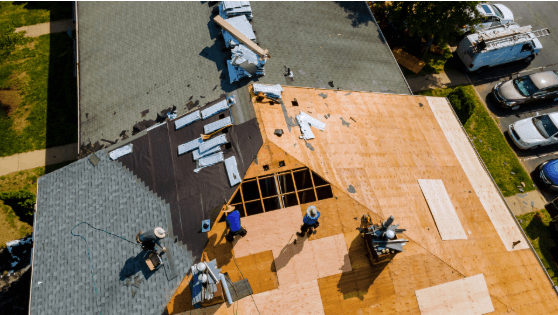
Key Considerations for Maintaining Commercial Roofs

A leaking roof doesn’t just ruin a ceiling tile. It halts operations, shreds warranty coverage, and drains your maintenance budget faster than almost any other building failure. Commercial roof maintenance isn’t a luxury line item; it’s one of the highest-return investments a facility owner can make.
Whether you’re managing flat roof maintenance on an industrial warehouse or keeping up with TPO commercial roof maintenance across an office campus, a structured approach is what separates buildings that age gracefully from those that deteriorate well ahead of schedule.
Partnering with commercial roofing services that are reputable and properly certified gives you access to trained inspectors, manufacturer-approved repair protocols, and the kind of documentation that keeps warranties intact for the long haul.
Here’s a number worth sitting with: 90% of facility managers believe in preventive maintenance, yet only 26% are actually practicing it, according to research featured by Facilities Dive. That gap isn’t a knowledge problem. It’s an execution problem. And it’s exactly why so many commercial roofs fail years before they should.
Core Principles Behind Effective Commercial Roof Maintenance
The logic of commercial roofing preventive maintenance is straightforward: catch small problems before they become expensive emergencies. The reactive “wait until it leaks” approach sounds manageable until you’re paying emergency labor rates, repairing water-damaged interiors, and replacing a roof that should’ve lasted another decade.
Partnering with a reliable commercial roofing services ensures these risks are minimized through timely inspections and expert intervention.
A well-designed maintenance program shifts your team from firefighting to forecasting. Building owners and in-house staff handle routine monitoring. Qualified contractors step in for inspections, technical repairs, and compliance documentation. Both sides have defined roles, and the roof benefits from both.
Understanding what’s at stake is step one. Actually building the care structure around your asset is where the real work begins.
What a Strong Maintenance Plan Should Actually Deliver
Done right, a disciplined plan reduces emergency call-outs, extends service life across TPO, EPDM, PVC, BUR, modified bitumen, and metal systems, and keeps tenant complaints to a minimum. Fewer leaks mean fewer disruptions, full stop.
Documented maintenance also gives you leverage. It strengthens insurance claims after storm damage and satisfies the manufacturer’s warranty requirements that many building owners don’t realize they’re quietly violating. Both of those carry genuine financial consequences if ignored.
Building an Annual Preventive Maintenance Plan That Actually Works
A functional annual plan assigns specific tasks to specific windows, spring cleaning and post-winter assessments, summer membrane checks, fall drainage prep, and post-storm evaluations after hail or wind events. It doesn’t need to be complicated. But it does need a calendar, clear ownership, and consistent follow-through.
Inspection Frequency and Timing
At a minimum, schedule a commercial roof inspection twice per year, spring and fall are the standard benchmarks. Add unscheduled inspections after any significant weather event, no exceptions.
Adjust based on your specific situation. A coastal building, a 20-year-old membrane, or a high-occupancy facility warrants more frequent attention than a newer structure in a mild climate with light foot traffic.
Which Roof Zones Deserve Your Closest Attention
Not every square foot carries the same risk. Perimeter edges, parapets, flashings, drains, seams, and penetrations are where failures almost always begin. Track findings consistently, minor issues needing monitoring, urgent repairs requiring fast response, and capital replacements for longer-term planning. That rating system makes prioritization defensible and keeps everyone aligned.
Flat Roof Maintenance: Why It Demands More Discipline
Flat roof maintenance requires more structured care than pitched systems simply because water has no natural exit path. Without proper drainage, ponding water accelerates membrane breakdown and creates structural loading concerns that compound quickly.
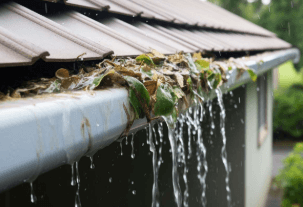
Every flat roof program should treat drainage as its top priority, not an afterthought, after something fails.
Clear drains, scuppers, and strainers every season. Map low spots and deflection points over time so you’re catching structural drift early rather than responding to it after the fact. When ponding patterns worsen between inspection cycles, that warrants an engineering review, not just a roofer’s patch.
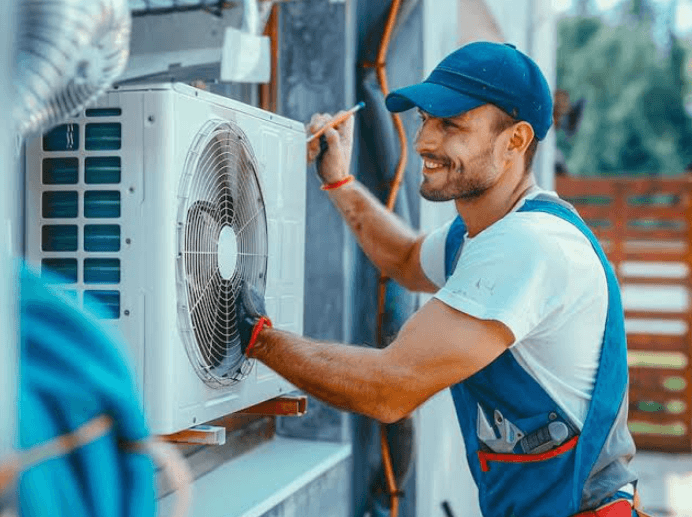
Service trades are also a consistent, underappreciated source of flat roof damage. Walk pads, defined access routes, and vendor escort policies prevent a surprising number of puncture and abrasion failures. Any HVAC, solar, or electrical contractor working on your roof should trigger a post-work condition check every single time.
Maintenance Strategies by Roof Material
Each system fails differently. What threatens a TPO membrane won’t attack a metal roof the same way, so your approach should reflect the specific vulnerabilities of what you actually have.
TPO Commercial Roof Maintenance
TPO commercial roof maintenance starts at the seams. Welded laps should be probed regularly to confirm adhesion hasn’t softened or separated. Use manufacturer-approved cleaning products to prevent algae and dirt accumulation. Rooftop HVAC units deserve close attention; grease and oil discharge can degrade TPO membrane chemistry faster than UV exposure alone.
EPDM and PVC Systems
EPDM requires close monitoring of seam tape integrity and edge shrinkage near penetrations. PVC systems lose plasticizer over time, becoming brittle and vulnerable to rooftop solvents. Both systems eventually reach a threshold where localized repairs stop making financial sense, recognizing that inflection point is part of responsible lifecycle management.
BUR, Modified Bitumen, and Coatings
These systems commonly develop blisters, alligatoring, and open laps. Maintaining surface protection through granules, gravel, or coating layers is essential. Recoating at the right interval, before the existing surface is too far gone, can extend service life meaningfully and push full replacement further down the road.
Metal Roofs
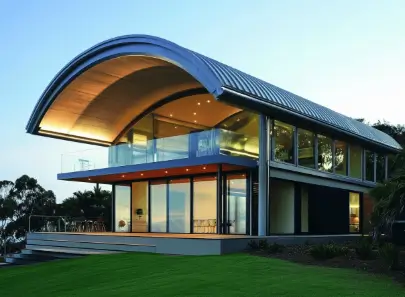
Metal contends with fastener back-out, panel movement, seam separation, and sealant degradation. Maintenance cycles should include fastener tightening or replacement and re-sealing joints on a defined schedule. Rust treatment and periodic repainting prevent oxidation from migrating into structural components.
See also: How to Reduce Your Carbon Footprint at Home
Budgeting, Risk, and Compliance: The Financial Case for Proactive Care
Smart facility managers treat commercial roof maintenance as a planned line item rather than a surprise expense. With downtime costs reaching approximately $25,000 per hour, proactive maintenance isn’t just building upkeep anymore; it’s operational risk management.
Frame annual maintenance spend as a percentage of total roof replacement value when presenting it to stakeholders. That framing makes the cost of deferred care far easier to understand.
Documented commercial roof inspection records are also what make warranty and insurance claims defensible. Without consistent inspection logs, both manufacturers and insurers have grounds to dispute whether minimum maintenance standards were maintained, and that’s a costly argument to lose.
Critical facilities, data centers, healthcare environments, and manufacturing floors can’t absorb even a moderate roof failure. Contingency planning ahead of storm season, combined with rapid post-event assessment protocols, keeps operations protected when weather turns severe.
Making Commercial Roof Maintenance a Strategic Asset
Structured commercial roof maintenance protects your building, controls long-term lifecycle costs, and keeps operations running without the kind of interruptions that erode tenant trust and blow quarterly budgets.
Proactive care consistently outperforms reactive repairs, in dollars spent, in warranty standing, and in the confidence of knowing your building is genuinely protected.
Whether you’re starting with a baseline commercial roof inspection, commissioning a full condition assessment, or building out a commercial roofing preventive maintenance program from scratch, starting that conversation now costs far less than waiting for the first visible leak to force your hand.
The roof protects everything beneath it. It deserves the same level of attention you’d give any other critical business asset.
Frequently Asked Questions
How long can TPO, EPDM, PVC, metal, or BUR roofs last with consistent maintenance?
TPO and PVC typically reach 20–30 years, EPDM 25–35 years, metal 40+ years, and BUR 20–30 years. Consistent commercial roof maintenance pushes most systems toward or beyond their upper service-life estimates.
What early warning signs indicate roof failure before visible leaks appear?
Watch for membrane blistering, surface chalking, open seams at flashing edges, recurring soft spots after rain, and interior ceiling staining. These appear well before water breaches the interior.
How should maintenance adapt to heavy snow, hurricanes, or desert heat?
Snow climates need load monitoring and ice dam prevention. Hurricane zones require post-storm inspections and stronger edge securement. Desert climates demand reflectivity maintenance and thermal cycling checks on seams.