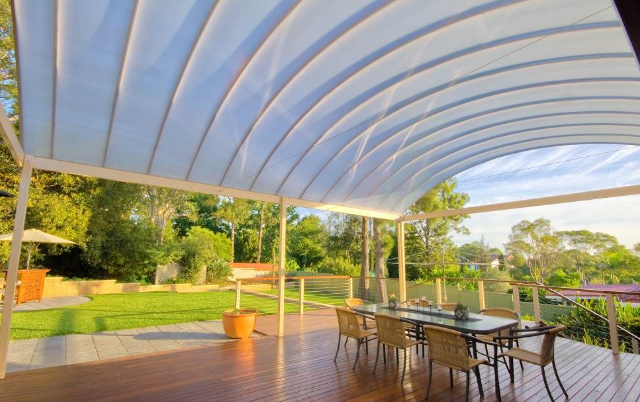
How to Stop Polycarbonate Sheets from Turning Yellow

Polycarbonate is a popular choice for everything from greenhouse roofing to secondary glazing because of its incredible impact resistance and clarity. However, owners often worry about their clear panels developing a murky, yellow tint after a few years of exposure to the elements. This discolouration often signals that the material is becoming brittle and losing its structural integrity.
Understanding why this change happens is the first step toward preventing it. While all plastics face challenges when left outdoors, certain factors accelerate the breakdown of the polymer chains within the material. By choosing the right products and following a few simple maintenance steps, you can ensure your installation remains as clear as the day it was fitted.
How Ultraviolet Radiation Affects a Polycarbonate Plastic Sheet
The primary culprit behind yellowing is ultraviolet (UV) radiation from the sun. Even in the UK, where the sky often feels grey, UV rays are constantly hitting outdoor surfaces. When these rays penetrate a standard polycarbonate plastic sheet, they break down the chemical bonds that hold the plastic together. This process, known as photodegradation, changes how the material reflects light.
If you use a material that doesn’t have specific protection, the surface will eventually oxidise. This leads to the classic yellow hue and a fine layer of “chalking” on the exterior. Manufacturers now combat this by adding UV stabilisers during the production process or by applying a protective coating to one or both sides of the sheet. These layers act like a high-factor sunblock for your glazing.
Choosing UV-Protected Materials
When you’re planning a project like a lean-to or a porch roof, you must check the specifications of the materials you buy. Not all sheets are equal. Some are designed solely for indoor use, such as internal partitions or display cases. If you install an indoor-grade sheet outside, it’ll likely turn yellow within a matter of months.
Always look for “UV-stabilised” or “UV-protected” labels. Many high-quality sheets come with a long-term guarantee against yellowing, often lasting ten years or more. These products are engineered to withstand the sun’s energy without losing their clarity. Investing in a higher-grade material from the start will save you the cost and hassle of replacing brittle panels later.
Effective Cleaning Practices
The way you clean your plastic can have a massive impact on its lifespan. Using the wrong chemicals can strip away the UV-protective layer, leaving the core material vulnerable to the sun. Avoid any cleaners that contain ammonia, as they can cause chemical stress cracking and accelerate discolouration. Follow these simple steps for safe cleaning:
- Rinse the surface with lukewarm water to remove loose grit and dust.
- Use a soft microfibre cloth or a non-abrasive sponge.
- Mix a small amount of mild liquid dish soap with plenty of water.
- Wipe the panels gently without applying excessive pressure.
- Dry the surface with a clean chamois to prevent water spots.
Never use a dry cloth to wipe away dust. This can create tiny scratches on the surface. These micro-scratches trap dirt and grime, which makes the sheet look duller and gives UV rays more “edges” to attack.
Avoiding Abrasive Tools and Solvents
It’s tempting to use a scourer or a stiff brush to remove stubborn bird droppings or algae, but you should resist the urge. Polycarbonate is much softer than glass, so it’s prone to scratching. Once the protective surface is compromised by abrasives, the yellowing process can take hold much faster in those damaged areas.
Similarly, stay away from window cleaning sprays that contain harsh solvents. These liquids can react with the plastic and lead to “crazing,” which looks like a network of tiny cracks inside the material. If you can’t remove a mark with soap and water, look for a specialist plastic cleaner that’s specifically marked as safe for polycarbonate.
See also: Villa Deep Cleaning Services Dubai: Keep Your Luxury Home Spotless
Correct Installation Techniques
How you install your panels also matters. Most UV-protected sheets are only protected on one side. This side usually has a printed film that tells you which way should face the sun. If you accidentally install the sheet upside down, the unprotected side will be exposed, and the panel will turn yellow very quickly.
Ensure that you keep the protective film on until the very last moment of installation. This prevents accidental scratches while you’re handling the material. Once the job is finished, double-check that the UV-protected side is facing outwards. If you’re using a double-sided protected sheet, this becomes less of an issue, but it’s still good practice to be mindful of the orientation.
Signing Off
Maintaining the clarity of your plastic installations doesn’t require a lot of effort, but it does require consistency. By selecting the correct grade of material and being mindful of your cleaning routine, you can prevent the premature ageing that plagues many outdoor DIY projects. Clear panels provide excellent natural light and protection, and with the right care, they’ll stay transparent for a decade or more.