Is Mould-Resistant Cladding the Answer to Britain’s Damp Problem?

British weather is a long-standing topic of conversation, but for many homeowners, the reality of a wet climate is more than just a nuisance. It often manifests as damp and mould within the home. In addition to looking unsightly, it can also lead to structural damage and impact the health of those living inside. With older housing stock and high humidity levels, finding a permanent solution to persistent moisture has become a priority for many families across the country.
Traditional methods like repainting or using dehumidifiers often provide only a temporary fix. As we look for more robust ways to protect our interiors, modern materials are stepping into the spotlight. One such innovation is the use of specialised wall coverings designed to thrive in wet environments. These systems offer a protective barrier that traditional plaster and paint simply can’t match.
The Growing Challenge of Domestic Damp
The British climate is notoriously damp, and our homes are often ill-equipped to handle the constant moisture. Condensation is the most common cause of dampness in the UK, frequently occurring in rooms where steam is generated, such as kitchens and bathrooms. When warm, moist air hits a cold surface, it turns into water droplets. If these surfaces are porous, like wallpaper or standard plaster, they absorb the moisture and create the perfect breeding ground for fungal growth.
Once mould takes hold, it’s notoriously difficult to eradicate. It spreads through spores that can linger in the air and settle on other surfaces. Many people find themselves in a cycle of cleaning and repainting, only for the black spots to reappear a few months later. This is particularly common in older Victorian or Edwardian properties where ventilation might be less than ideal.
Creating an Impermeable Interior Barrier
When a home faces constant humidity, the structural integrity of the walls becomes a concern. Traditional tiles rely on grout, which is a porous material that eventually cracks or discolours as it absorbs water. This often leads to moisture seeping behind the scenes, where it sits trapped against the brickwork. By opting for the seamless PVC solutions available from Simply Cladding, you can bypass the risks associated with grout lines entirely.
The shift toward large-format, non-porous panels represents a change in how we think about interior protection. Because these surfaces don’t provide the organic “food” that spores require, the risk of fungal colonies forming is significantly reduced. They act as a smooth, wipe-clean shield that keeps the underlying structure of the building dry and secure. This approach moves away from just treating the symptoms of dampness and focuses on preventing it from taking root in the first place.
Practical Benefits for the British Homeowner
Beyond the obvious anti-fungal properties, there are several practical reasons why this material is becoming a favourite for home renovations. The installation process is significantly cleaner and faster than traditional tiling. You can often install the panels directly over existing surfaces, which reduces the amount of dust and debris generated during a remodel. This is a huge advantage for busy households that don’t want their rooms out of action for weeks.
- Thermal Insulation: Many panels feature a hollow-core tongue and groove design which helps to trap a layer of air, providing an extra level of insulation to keep walls warmer.
- Cost-Effective: It’s often a more budget-friendly option when you consider the longevity of the product and the lack of specialist tools required for fitting.
- Versatility: While perfect for bathrooms, these panels are also excellent for utility rooms, playrooms, or even garage conversions.
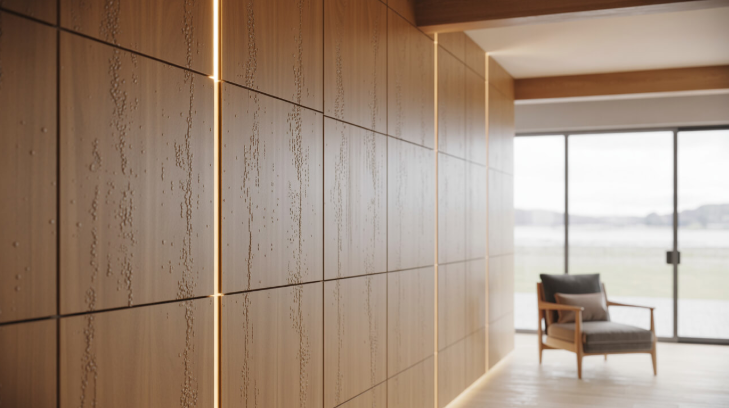
- Style Options: You can choose from a vast range of finishes, including marble effects, wood grains, and high-gloss solid colours.
See also: Data Analytics Technology Explained
The Important Takeaways
While cladding isn’t a replacement for good ventilation, it’s a powerful tool in the fight against domestic dampness. It provides a robust, easy-to-clean, and attractive alternative to traditional wall finishes that often fail in the face of British humidity. By choosing high-quality PVC panels, you can transform a damp-prone room into a bright and hygienic space that stays looking new for years.
Taking the time to research the right materials for your specific needs will pay off in the long run. If you’re tired of the endless cycle of scrubbing and repainting, it might be time to consider a more permanent barrier. Modern cladding offers a practical and stylish way to ensure that your home remains a dry and comfortable sanctuary, no matter what the weather is doing outside.