Tips to Improve Ventilation in a Metal Garage Building

Proper airflow plays an important role in keeping a garage dry, comfortable, and structurally sound throughout the year. Poor ventilation sometimes traps humidity, stale air, and excess heat inside the building, which can lead to condensation on metal surfaces and damp insulation. A well-ventilated garage supports cleaner indoor air and helps protect stored tools, vehicles, and equipment from moisture-related damage.
Many property owners choose metal garage buildings because of their durability and low-maintenance structure. Even with a strong exterior, ventilation still requires careful planning to prevent moisture buildup during seasonal temperature changes. Balanced airflow can also help maintain stable indoor conditions during humid summers and cold Canadian winters.
Install Ridge And Eave Ventilation
Ridge vents and eave vents work together to create steady natural airflow inside the garage. Warm air naturally rises toward the roof and escapes through the ridge vent, while cooler outside air enters through the lower eave openings. This continuous movement helps reduce trapped humidity and prevents condensation from collecting on steel panels.
Proper vent placement also supports insulation performance by limiting damp conditions inside wall and roof cavities. Clean and unobstructed vents allow air to circulate evenly across the building interior.
Keep Vent Openings Free From Debris
Leaves, dust, and insect nests can block airflow around intake and exhaust vents. Seasonal inspections help maintain steady ventilation and prevent pressure imbalance inside the structure.
Regular maintenance should include:
- Cleaning the ridge and louvre vents
- Checking for damaged vent covers
- Removing dirt around soffit openings
- Inspecting seals around vent edges
Reduce Indoor Moisture Sources
Excess indoor moisture sometimes creates persistent condensation problems inside garages. Wet vehicles, snow-covered equipment, and stored firewood can release humidity into the air for several hours after entering the building. Limiting moisture sources supports a healthier indoor environment and reduces stress on ventilation systems.
Ventilation becomes even more important in insulated metal garage buildings where warm indoor air meets cooler steel surfaces. Vapour barriers and proper insulation contact help reduce hidden moisture pockets that may affect roof panels or insulation layers over time.
Improve Air Circulation With Mechanical Ventilation
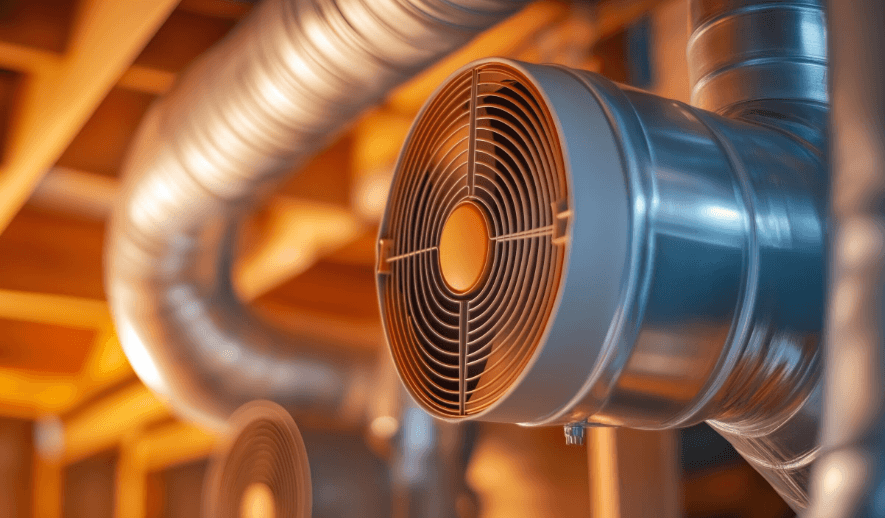
Natural airflow may not always provide enough circulation during humid weather or in enclosed garages with limited openings. Mechanical ventilation systems help move stale air outside and maintain consistent airflow throughout the structure.
Helpful ventilation additions include:
- Exhaust fans near the roofline
- Wall-mounted circulation fans
- Adjustable intake vents
- Timed ventilation controls
Monitor Condensation During Seasonal Changes
Temperature swings during Canadian winters and rainy seasons sometimes increase condensation risks inside garages. Cold outdoor temperatures combined with warm indoor air can create water droplets on metal panels and roofing components. Regular inspections help identify damp areas before corrosion or mould develops.
Checking the insulation condition also supports better airflow management. Insulation should remain dry and fully connected to interior surfaces without gaps or sagging sections. Moisture trapped behind insulation can weaken airflow performance and affect indoor comfort over time.
See also: A Complete Guide to Performance Wear for Modern Businesses
Choosing Steel Building Experts For Long-Term Garage Ventilation Performance
Professional steel building teams understand how airflow, insulation, roof design, and vent placement work together inside a garage structure. Proper planning helps reduce condensation, improve indoor air movement, and protect stored equipment from moisture exposure during changing Canadian weather conditions.
Ventilation works best when airflow remains steady throughout every season. Small adjustments during weather changes can help maintain comfortable indoor conditions and protect the building interior from excess humidity. Clean vents, balanced intake and exhaust airflow, and controlled moisture levels all contribute to a healthier and longer-lasting garage space. A properly ventilated metal garage stays more comfortable, protects stored belongings, and supports reliable building performance through changing Canadian weather conditions.