What Causes Water to Drip From the Ceiling During Storms

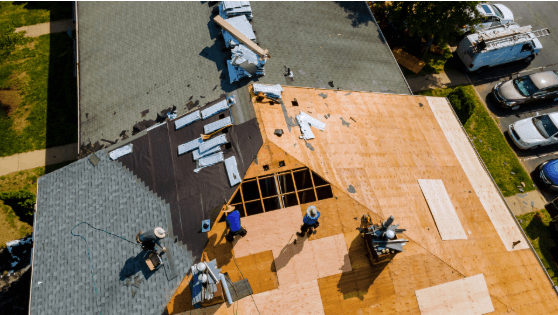
A ceiling drip during a storm usually begins long before water becomes visible indoors. In most cases, the ceiling is only where the problem finally shows itself. The actual issue starts higher up, when rain finds a weak point in the roofing system and begins moving beneath the outer surface. For homeowners researching roof repair brigham city, the important thing to understand is that the stain or drip inside the house is often the end of the story, not the beginning.
Storms expose roofing weaknesses because they combine several pressures at once. Rain falls fast, wind shifts the water’s direction, and colder conditions can keep moisture from drying out quickly. A roof that looks fine in calm weather may start leaking once those conditions line up. That is why ceiling drips during storms often seem sudden, even though the vulnerable area may have been forming for quite a while.
The Entry Point
Water usually gets in through a part of the roof that has started to wear out or pull apart. Shingles cover most of the roof, but they are not the only parts keeping water out. Flashing, seals, fasteners, and roof edges all help direct water off the surface. When one of those areas starts to fail, rain can get underneath the outer layer.
Flashing is a common source of leaks because it sits around openings and transitions in the roof. That includes areas near vents, chimneys, and skylights, as well as where one section meets another. If the flashing has loosened, rusted, or not been installed properly, water can get through during a storm. The same can happen when a shingle is cracked, curled, or lifted enough for wind and rain to reach the layers below.
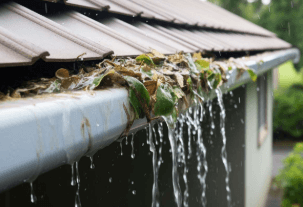
Roof edges can also become a problem when water is not draining properly. If gutters are clogged or runoff is slowing down, water can sit near the edge longer than it should. From there, it may start working under the roofing materials instead of flowing off the roof. Once water reaches the wood beneath, it can travel before it shows up inside the house.
Why the Ceiling Drips
One of the most confusing parts of a storm leak is that the drip does not always appear directly under the roof opening. Water can move along decking, rafters, insulation, or framing before it reaches a point where it finally drops. That is why a ceiling stain in one room may actually be connected to roof damage somewhere else.
This hidden movement is what makes ceiling leaks easy to underestimate. A small drip may look minor, but the moisture behind it can spread across a wider section than expected. Insulation may already be damp. Drywall may already be absorbing water. Wood may already be staying wet longer than it should. By the time the leak becomes visible inside, the roofing issue has often spread beyond a single spot on the surface.
Light fixtures and upper wall corners can also become places where water shows up. That does not mean those areas caused the leak. It usually means water traveled until it found an opening or low point where it could collect and appear.
Storm Conditions Matter
Storms often bring out roof problems that are easy to miss in calmer weather. Light rain may not cause any visible issues, but stronger winds can force water under shingles or around flashing. A small weak spot that seems harmless at first can start leaking once the weather becomes more intense. Cold, wet conditions can also keep the roof from drying out quickly, giving moisture more time to work its way in.
That is why some leaks do not happen every time it rains. The roof may get through smaller storms without a problem, then start leaking during a heavier storm with strong winds or longer rainfall. In colder conditions, melting snow can have the same effect by keeping water on the roof longer than usual.
The pattern can tell you something about the size of the problem. If the leak only shows up during rough weather, the opening may still be small but exposed in the right conditions. If it happens every time it rains, the damaged area may be more developed.
Common Failure Areas
A ceiling leak during a storm often starts in one of a few trouble spots. Damaged shingles are a common cause. When shingles crack, loosen, or come off, the layers underneath are left with less protection. Flashing is another frequent source, especially around vents, chimneys, and other roof openings where water has to be redirected.
Gutters can also play a role. When they are clogged, water may stop draining properly and begin to pool near the roof edge. Over time, that extra moisture can wear down nearby materials and make it easier for water to get in.
Older roof parts can also become more vulnerable during storms. From the ground, the roof may still look fine. But seals can dry out, metal pieces can shift, and aging materials may not hold up as well under repeated rain and wind. That does not always mean the whole roof is failing, but it can mean the roof is no longer keeping water out as well as it once did.
See also: How to Reduce Your Carbon Footprint at Home
When to Act Quickly
A ceiling drip during a storm should never be ignored, even if it seems small. Water inside the house means the roofing system has already been breached. The next step is determining how serious the situation has become.
It is more serious when water is still dripping, the ceiling has started to bulge, the attic insulation feels wet, or moisture is showing up near light fixtures or wiring. At that point, the leak may already be affecting more than the surface. The longer those materials stay wet, the more likely the damage will spread through the ceiling, wood framing, insulation, and nearby interior surfaces.
It is also smart to keep a record of what you are seeing. Take photos of the stain, the area where the drip is showing up, and any damage you can safely spot from the ground. It can also help to write down when the leak happens, whether it shows up during heavy wind and rain, steady rain, or melting snow, and whether it gets worse under certain conditions. Details like that can make it easier to figure out where the problem is starting.
In many cases, a timely repair is far simpler than waiting for the damage to spread. Homeowners who start looking into roof repair brigham city after the first clear warning sign often have a better chance of dealing with a targeted repair instead of a much larger interior and roofing project.
Conclusion
During a storm, a ceiling drip usually means water has gotten through the roof somewhere above it. The spot where it shows up inside is not always the same spot where it came in. Water can run along wood, insulation, or other materials before it starts dripping through the ceiling. Heavy rain and wind tend to expose these weak areas faster, especially near flashing, roof edges, and worn shingles.
Even a small drip is worth taking seriously. What looks minor from inside can point to a larger problem above the ceiling. The sooner the source is found and repaired, the better the chance of limiting the damage and avoiding a more involved repair later.