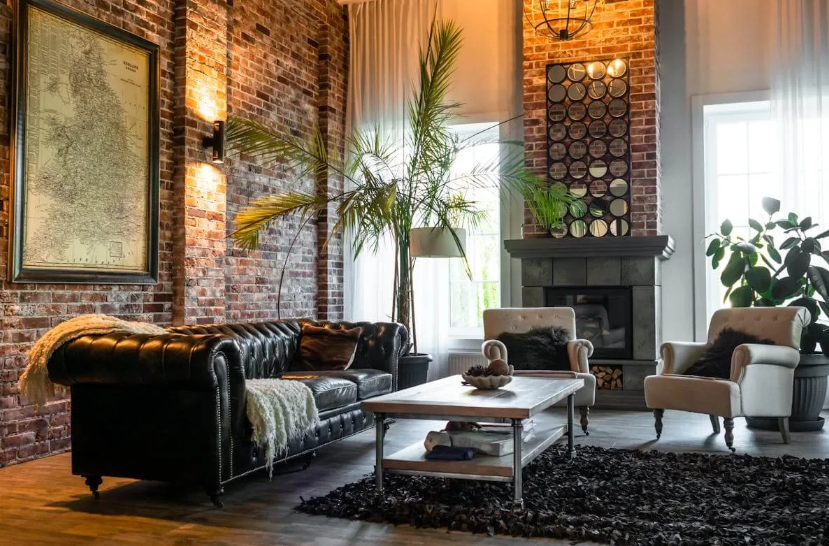
Incorporating Heritage Pieces into Contemporary Interior Design

In an age defined by clean lines and modern finishes, there is a growing appreciation for interiors that carry a sense of history. Heritage pieces—objects shaped by time, craftsmanship, and cultural context—are increasingly being woven into contemporary spaces. The result is a layered aesthetic that feels both refined and deeply personal.
Rather than creating a contrast that feels forced, this approach allows old and new to coexist in quiet harmony. It is a design philosophy rooted in balance, where tradition enriches modern living without overpowering it.
Why Heritage Pieces Remain Timeless
The enduring appeal of heritage décor lies in its authenticity. Unlike mass-produced items, these pieces often reflect skilled craftsmanship and attention to detail that is difficult to replicate. From hand-finished surfaces to intricate forms, they carry a quality that feels considered and lasting.
There is also a sense of individuality. No two pieces are exactly alike, which lends interiors a distinctive character. In spaces where uniformity can feel impersonal, heritage objects introduce variation and depth.
Perhaps most compelling is the narrative they bring. Whether passed down through generations or carefully sourced, these items suggest a story. They invite curiosity and create a connection between past and present, adding meaning beyond their visual appeal.
Statement Accessories That Elevate Interiors
In contemporary settings, heritage pieces are often used as focal points rather than background details. A single, well-chosen object can anchor a room, drawing attention through its form, texture, or provenance.
Decorative accessories are particularly effective in this role. Sculptural objects, ceramics, and glassware offer a way to introduce heritage elements without altering the overall structure of a space. Their versatility allows them to be styled on consoles, shelves, or dining tables with ease.
Among the most elegant examples are antique vases. Their varied silhouettes and finishes lend themselves beautifully to both minimalist and richly layered interiors. Whether displayed individually or as part of a curated arrangement, they bring a sense of quiet sophistication that feels neither overstated nor ornamental.
These pieces act as visual anchors, guiding the eye and giving the space a sense of intention.
Achieving Harmony Between Old and New
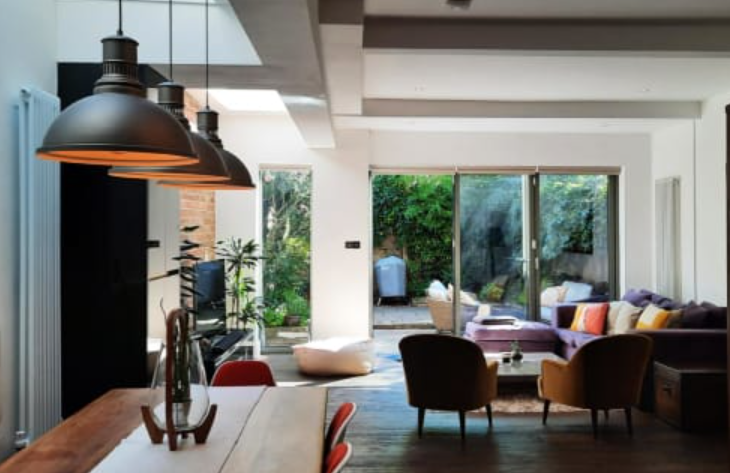
Blending heritage elements with contemporary design requires a considered approach. The aim is not to recreate a period setting, but to create a dialogue between different styles.
One effective strategy is contrast. Placing an ornate or time-worn object within a clean, modern environment allows its details to stand out. The simplicity of the surrounding space enhances the richness of the piece, creating a balanced composition.
Material selection also plays a role. Pairing traditional finishes such as aged wood or ceramic with modern materials like glass, metal, or polished stone introduces variety without visual conflict.
Colour palettes tend to remain restrained. Neutral tones provide a cohesive backdrop, allowing both antique and contemporary elements to coexist without competing for attention.
See also: How to Reduce Your Carbon Footprint at Home
Styling Tips for a Refined Finish
The way heritage pieces are styled can significantly influence their impact. Placement should feel intentional, giving each object space to be appreciated. Overcrowding can diminish their presence, while thoughtful spacing allows their details to be fully seen.
Proportion is equally important. Larger pieces often work best as standalone features, while smaller items can be grouped to create subtle visual interest. Mixing heights and shapes adds dimension, particularly on surfaces such as sideboards or shelving.
Texture can be used to further enhance the overall composition. Combining smooth, polished finishes with more tactile, aged surfaces creates a layered effect that feels rich yet composed.
Lighting offers a final opportunity to refine the presentation. Soft, directional light can highlight contours and finishes, bringing out the nuances that make heritage pieces so distinctive.
Incorporating heritage pieces into contemporary interiors is an exercise in curation. It is about selecting objects with meaning and placing them in a way that allows their character to shine.
By embracing the interplay between past and present, interiors gain depth, individuality, and a sense of permanence. In a world of ever-changing trends, these elements offer something enduring—spaces that feel considered, personal, and quietly luxurious.