How Designers Use Tiles to Elevate Modern Mansions

Luxury architecture has evolved beyond scale alone. In today’s modern mansions, design distinction lies in material intelligence, spatial continuity, and sensory detail. Among all surface materials, tile remains one of the most versatile tools designers use to articulate sophistication.
From sculptural marble installations to precision-cut porcelain and handcrafted ceramics, tile defines how light moves, how rooms connect, and how textures contrast. In high-end residential projects, it is no longer a background finish—it is an architectural strategy.
Below is a breakdown of how leading designers leverage tile to elevate contemporary luxury estates.
1. Statement Floors as Architectural Foundations
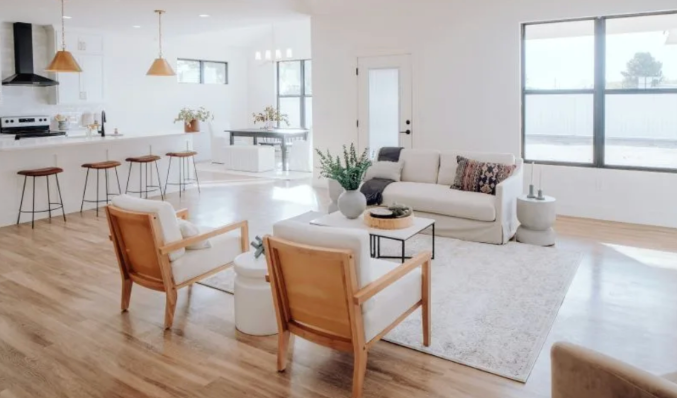
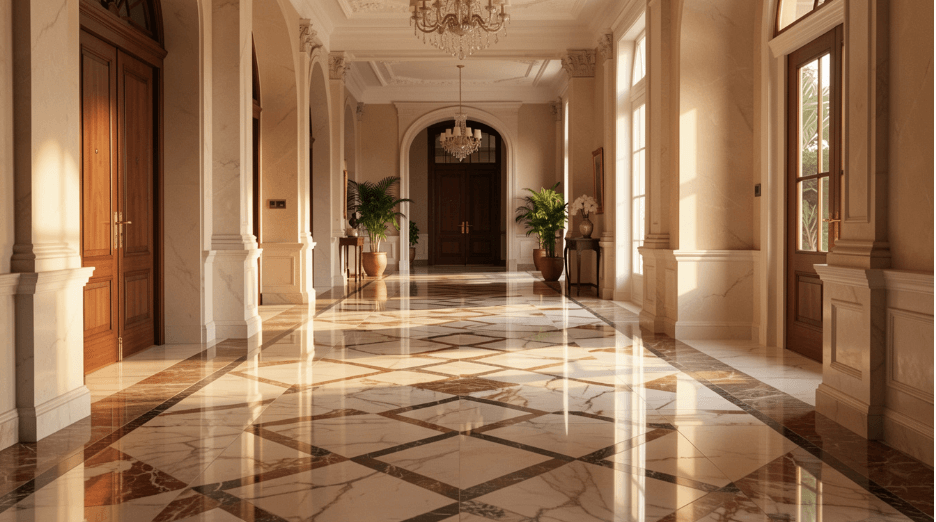
In modern mansions, flooring often sets the tone for the entire property. Designers use large-format porcelain slabs, bookmatched marble, and geometric inlays to create uninterrupted visual flow across expansive open plans.
1.1 Large-Format Slabs for Seamless Grandeur
Oversized slabs reduce grout lines, making living areas appear even more expansive. Neutral stone tones—travertine, limestone-inspired porcelain, and warm marbles—anchor interiors with quiet luxury.
These materials reflect light differently throughout the day, enhancing spatial depth and delivering a gallery-like finish.
1.2 Precision Edge Finishing for Cohesion Tiles
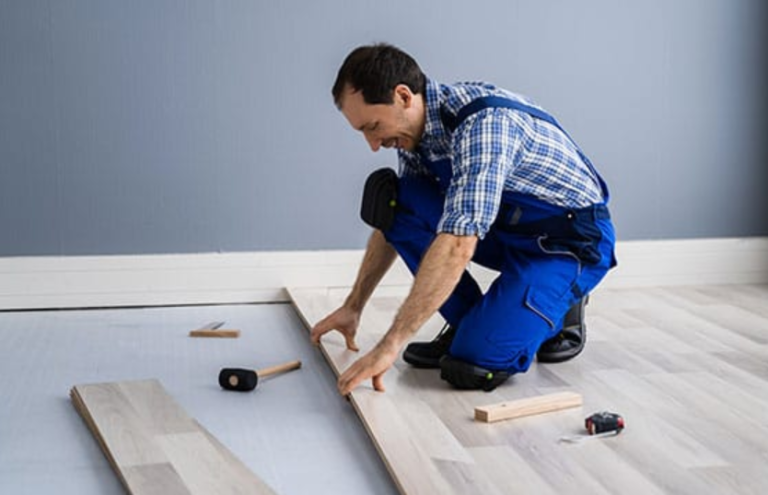
What elevates a project from standard installation to premium execution is precision detailing. Elements such as stair risers, recessed niches, and floor transitions demand refined edge treatments to preserve architectural flow. Rounded trims and finished edges soften visual breaks while protecting exposed tile lines, ensuring both durability and design cohesion.
For projects that require seamless edge definition and a polished finish, you can explore curated trim collections online, including options to shop bullnose tile trim, and request samples to verify profile, scale, and finish compatibility before final selection.
When applied strategically, these trims ensure continuity across thresholds, staircases, and vertical transitions—small elements that significantly influence the perceived craftsmanship of a mansion.
2. Spa-Level Bathrooms: Texture, Scale, Tiles, and Sensory Design
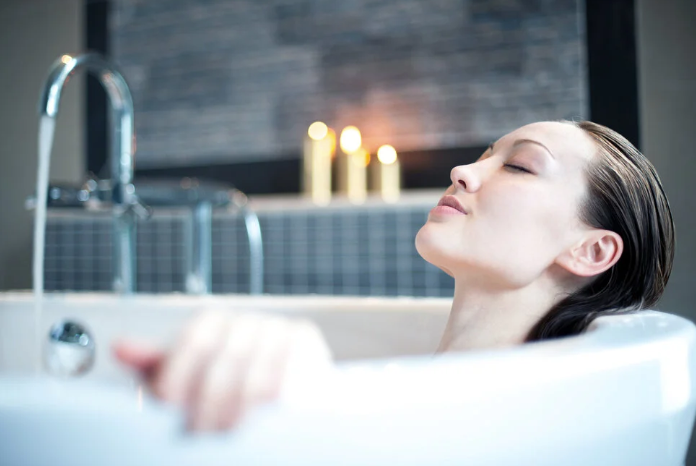
Luxury bathrooms in modern estates are designed as wellness retreats rather than functional spaces. Tile selection plays a critical role in defining mood, performance, and durability.
2.1 Vertical Drama Through Feature Walls
Designers often use textured stone, fluted porcelain, or handcrafted ceramic tiles to create feature walls behind freestanding tubs or double vanities. These surfaces introduce tactile richness while preserving tonal cohesion.
Soft neutrals dominate—bone, sand, muted greys—paired with matte finishes that reduce glare and create a calming spa aesthetic.
2.2 Engineered Wet-Zone Precision
In shower environments, performance is as critical as appearance. Slip resistance, drainage slope, and grout precision determine long-term durability. For this reason, designers prioritize specialized shower floor tile options engineered for wet-area safety without compromising aesthetic value.
Smaller-format mosaics and textured porcelain enhance traction while allowing precise slope control toward drains—critical for walk-in showers and other wet zones. The right selection ensures slip-resistance compliance without compromising refined visual execution. To balance safety with design precision, you can explore high-performance tile collections at Mineral Tiles and request complimentary samples to evaluate texture, grip, and finish quality before finalizing your choice.
3. Kitchens as Sculptural Installations
The modern mansion kitchen operates as both a culinary workspace and a social stage. Tile applications here often blur the line between architecture and art.
3.1 Full-Height Backsplash Walls
Rather than limiting tile to a standard backsplash strip, designers extend materials from countertop to ceiling. Marble-look porcelain slabs, zellige-inspired ceramics, and geometric layouts transform vertical surfaces into statement installations.
This approach eliminates visual clutter and strengthens the overall material narrative.
3.2 Waterfall Islands and Integrated Surfaces
Porcelain slabs now wrap islands, cabinetry panels, and integrated shelving. By matching vertical and horizontal planes, designers create sculptural continuity.
The effect is cohesive minimalism—refined but not sterile.
4. Outdoor Extensions and Transitional Spaces
Modern mansions increasingly emphasize indoor-outdoor integration. Tile technology has evolved to support this architectural ambition.
4.1 Seamless Indoor–Outdoor Flooring
Designers often select porcelain with matching indoor and exterior finishes, allowing flooring to flow uninterrupted through sliding glass walls into terraces or pool decks. This continuity expands perceived square footage and enhances luxury appeal.
4.2 Pool Deck and Courtyard Applications
Slip-resistant, UV-stable tiles are used around pools and courtyards to maintain aesthetic consistency without sacrificing durability. Earthy stone textures remain popular, especially when paired with contemporary landscaping.
The result is cohesion across built and natural environments.
5. Accent Walls and Artistic Installations
Tile is increasingly treated as wall art within modern mansions. Designers deploy pattern, color, and dimensionality in curated doses.
5.1 Geometric and Custom Patterns
Chevron, herringbone, and large-scale geometric motifs introduce rhythm into otherwise minimal interiors. These layouts often appear in entry foyers or formal dining areas where first impressions matter most.
5.2 Handcrafted and Artisanal Surfaces
High-end estates frequently incorporate artisanal tiles with slight tonal variation and irregular edges. These subtle imperfections introduce warmth and authenticity into modern architecture.
Design-focused publications and curated showcases, including features highlighted as the no 1 online tiles store feature on Dream Homes Decor, often emphasize how material craftsmanship contributes to visual storytelling in luxury homes. Such editorial spotlights reflect a broader design movement: materials are selected not only for performance but for narrative value.
6. Minimalism Elevated Through Material Contrast
While modern mansions often embrace minimalist architecture, tile selection ensures spaces do not feel flat or sterile.
6.1 Matte vs. Polished Interplay
Designers strategically contrast finishes—polished marble floors with matte wall cladding, textured niches against smooth expanses—to create visual layering.
6.2 Tone-on-Tone Luxury
Instead of bold color palettes, many luxury estates rely on tonal gradation. Cream on ivory, taupe on sand, warm grey on limestone. Tile becomes the medium through which subtle contrast is expressed.
This approach delivers understated elegance while maintaining design depth.
Conclusion
In modern mansions, tiles are no longer secondary finishes—they are foundational design instruments. From expansive slab flooring and spa-inspired bathrooms to sculptural kitchens and integrated outdoor environments, designers use tile to define atmosphere, reinforce architectural lines, and elevate craftsmanship.
Precision edging, wet-zone engineering, indoor-outdoor continuity, and artisanal detailing collectively transform tile from a practical surface into a luxury signature. When applied with strategic intent, it becomes one of the most powerful elements shaping contemporary high-end living.