What a Move and a Renovation Actually Cost — And How to Cover Both

Moving and renovating have a way of landing back to back, and the combined cost catches almost everyone off guard. Here’s an honest breakdown of what both actually involve — picking a mover, flooring decisions, and covering the gap responsibly when the numbers don’t quite line up.
Choosing the Right Movers
What to Verify Before Booking
Hiring Oshawa Movers, or whoever ends up handling your relocation, starts with one unglamorous step: checking credentials before you even glance at a quote. A legitimate mover carries real insurance. They can actually produce documentation proving your belongings are covered while in transit.
Binding vs. non-binding estimates:
- Binding estimate — price locked in upfront, based on an accurate inventory
- Non-binding estimate — the final number can shift, sometimes a lot, depending on actual weight or time
Worth knowing: See a non-binding quote that looks suspiciously low next to everyone else’s? That’s often bait. The real number shows up later. Higher. After you’re already committed.
Budgeting for Flooring and Renovation Work
What Affects the Final Cost
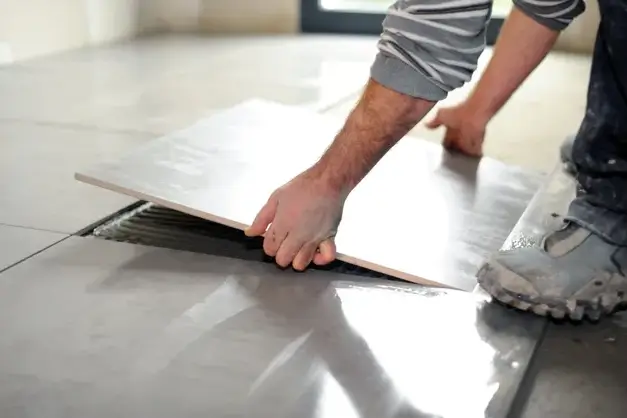
Once you’re actually settled, flooring tends to be the first thing homeowners tackle. Mercier flooring in Toronto and similar suppliers carry everything from engineered hardwood down to budget-friendly alternatives, and price plus installation complexity shift a lot depending on what you end up choosing.
Factors that affect flooring cost:
- Material type — hardwood, engineered wood, laminate, vinyl
- Square footage and room complexity
- Subfloor condition, which might need extra prep before anything else happens
Worth knowing: Getting multiple quotes for flooring installation is worth the extra time. Labor costs swing more between contractors than you’d think, even quoting the exact same materials.
Covering the Gap Responsibly
Understanding the Best Unsecured Loans in Canada
Moving costs stacked on top of renovation costs pile up faster than most people actually plan for. This is usually where homeowners start looking into the best unsecured loans in Canada — a way to cover the gap without putting home equity on the line.
Before signing anything, review:
- The full APR and total cost, not just whatever rate’s plastered on the homepage
- Whether a secured option, assuming you’ve got collateral, lands a meaningfully better rate
- Red flags: guaranteed approval with zero verification, unclear fees, pressure to sign right now
What “best” actually means when comparing lenders:
- A lower APR for your specific credit profile — not just the lowest number advertised to everyone
- A transparent fee structure, no hidden origination costs tucked away somewhere
- Repayment terms that genuinely fit your budget, not just whatever sounds fine on paper
See also: Understanding Insurance for Life and Business
Final Thoughts
Moving and home improvements happen back to back more often than not, and budgeting honestly for both — instead of pretending they’re two separate, unrelated expenses — saves you from the kind of financial strain that turns an exciting fresh start into a stressful one.
Note: This article is for general informational purposes only and does not constitute financial advice. Please consult a licensed financial professional for guidance specific to your situation.