How Does Solar Energy Service Help Keep Panel Performance Strong Over Time?

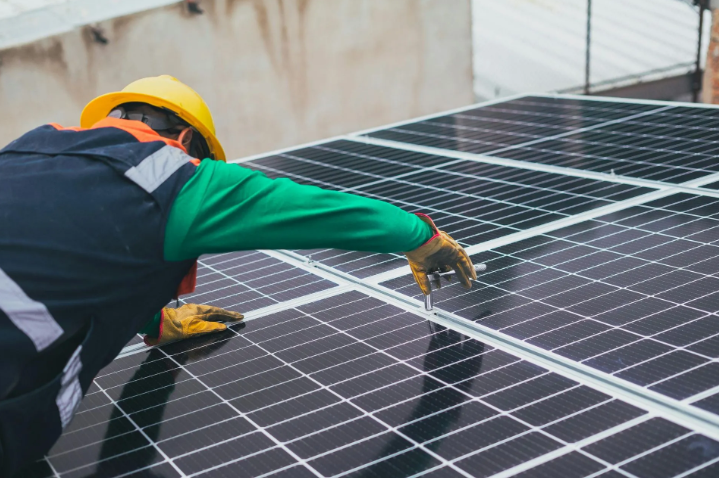
Solar panels are built to work for many years, but steady performance does not happen by accident. Dust, pollen, leaves, wiring wear, weather exposure, inverter issues, and shading changes can gradually reduce the power a system produces. Solar energy service helps homeowners keep panels working at peak performance by checking the entire system, not just the panel surface. Regular care can identify small issues before they turn into lost production or equipment trouble. With proper attention, a solar system can continue to meet household energy needs more reliably over time.
Long-Term Performance Checks
- Cleaning Helps Panels Capture More Sunlight
Panel surfaces need clear access to sunlight, and buildup can interfere with that access over time. Dust, bird droppings, ash, pollen, leaves, and windblown debris can form a layer that reduces the amount of light reaching the solar cells. Solar energy service can include safe cleaning methods that remove this buildup without scratching glass, loosening seals, or damaging roof materials. This is important because rooftop panels are not always easy for homeowners to clean safely. In dry or busy urban areas, buildup may happen faster than expected, while rain may not remove sticky grime from panel edges. Homeowners in Los Angeles may notice that air quality, nearby trees, coastal moisture, or long dry stretches can affect how often panels need attention. Proper cleaning helps the system regain stronger light exposure and makes production reports easier to understand because dirt is no longer obscuring the equipment’s actual condition.
See also: Home Communion Set Explained – Purpose, Components, and Benefits
- Monitoring Shows When Output Starts Dropping
Solar energy service also helps homeowners understand production trends by monitoring their systems. A system may still generate electricity while quietly producing less than it should. Without regular review, the homeowner may not notice the difference until utility bills rise or a larger issue appears. Service providers can compare current output with past production, seasonal expectations, weather patterns, and system size. This helps determine whether lower output is normal or due to a problem. A sudden drop may indicate an inverter fault, a panel issue, a loose connection, a change in shade, or a communication error in the monitoring app. Gradual decline may suggest dirt buildup, aging components, or shading from growing trees. Monitoring gives homeowners a clearer view of their performance rather than relying solely on monthly bills. When production data is reviewed regularly, service can focus on the right part of the system and avoid unnecessary guessing.
- Electrical Components Need Careful Inspection
Panels are the most visible part of a solar system, but electrical parts behind the scenes also affect long-term performance. Wiring, connectors, inverters, optimizers, junction boxes, shutoffs, and grounding components must remain secure and in good condition. Weather, heat, vibration, pests, moisture, and age can affect these parts over time. Solar energy service can inspect connections, look for wear, test system behavior, and confirm that safety devices are working as intended. This matters because a small electrical issue may reduce production or shut down part of the system.
In some cases, a loose or damaged connection can create heat, signal trouble, or intermittent operation. Inverter checks are also important because the inverter converts solar power into usable electricity for the home. If it is not working correctly, panels may capture sunlight, but the home may not receive the expected benefit. Electrical inspection helps protect both production and system safety.
- Shade and Roof Changes Can Affect Results
A solar system is designed around the roof conditions at the time of installation, but those conditions can change. Trees grow taller, nearby construction may create new shadows, roof vents may be added, and debris can collect around panel edges. Even small shading changes can affect output, depending on system design and panel layout. Solar energy service can review the roof and surrounding area to see whether the system is still receiving the sunlight it was designed to capture. This may include checking tree growth, panel alignment, mounting hardware, roof condition, and signs of water or debris buildup near attachment points. The service visit can also identify whether branch trimming, panel cleaning, or layout changes may help. Roof condition matters because panels need a stable surface beneath them. When the roof and shade conditions are reviewed together, homeowners get a better understanding of why production may change over time.
Ongoing Service Protects Solar Value
Solar energy service helps maintain strong panel performance by providing the system with consistent attention after installation. Cleaning restores clearer sunlight exposure, monitoring tracks production changes, electrical checks protect power flow, and roof reviews reveal shading or surface concerns. These steps help homeowners catch problems early, rather than waiting until energy savings drop noticeably. A solar system is a long-term investment, and its value depends on steady output across many seasons. When service is handled regularly, panels can continue to produce more reliably, equipment issues can be addressed sooner, and homeowners can feel more confident in the energy their roof is generating.