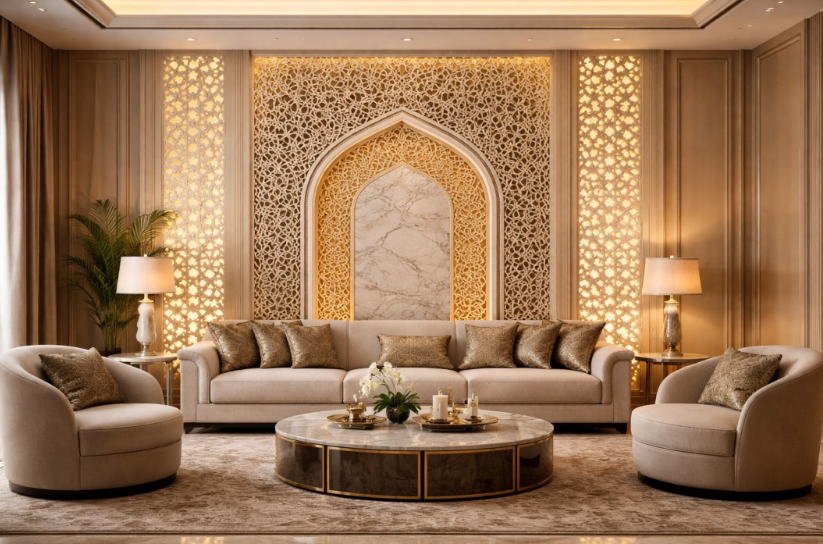
Architectural Wall Features That Define Contemporary Luxury Interiors

In the world of contemporary interiors, it is often the architectural details that distinguish a well-designed space from an exceptional one. Walls, once treated as a simple backdrop, are now being reimagined as defining features within luxury homes. Through texture, structure, and materiality, they offer an opportunity to introduce depth and character without compromising refinement.
This shift reflects a broader design sensibility—one that values subtle statement over excess, and craftsmanship over decoration. As a result, walls have become a central canvas for expression within high-end interiors.
The Rise of Textured Surfaces in High-End Design
Flat, uniform finishes are gradually giving way to more tactile surfaces. Textured walls introduce a sense of movement and dimension, transforming how light interacts with a space throughout the day.
In luxury settings, this is rarely about bold or overwhelming patterns. Instead, the focus is on nuanced detailing—gentle ridges, soft reliefs, and carefully considered finishes that invite closer attention. These elements add depth without disrupting the overall harmony of the room.
Textured surfaces also contribute to a more layered aesthetic. When combined with refined furnishings and curated décor, they create an environment that feels rich yet composed. The effect is both visual and atmospheric, enhancing the experience of the space as a whole.
Incorporating Structured Wall Elements
Among the most striking developments in this area is the use of structured wall elements. Linear patterns, in particular, have become a defining feature of contemporary luxury interiors. Their clean geometry introduces rhythm and order, while their repetition adds a sense of calm sophistication.
Materials play a significant role here. Wood and composite finishes are especially favoured for their ability to balance warmth with precision. When arranged in vertical or horizontal formations, they can subtly alter the perception of a room—elongating walls or creating a sense of intimacy.
A notable example is slatted cladding, which has gained prominence for its ability to blend architectural clarity with decorative appeal. Its linear structure works effortlessly across both modern and more traditional interiors, offering a refined focal point that feels integrated rather than imposed.
These structured elements also lend themselves to bespoke design. Whether spanning an entire wall or framing a specific area, they can be tailored to complement the proportions and character of the space.
Where Statement Walls Make the Most Impact
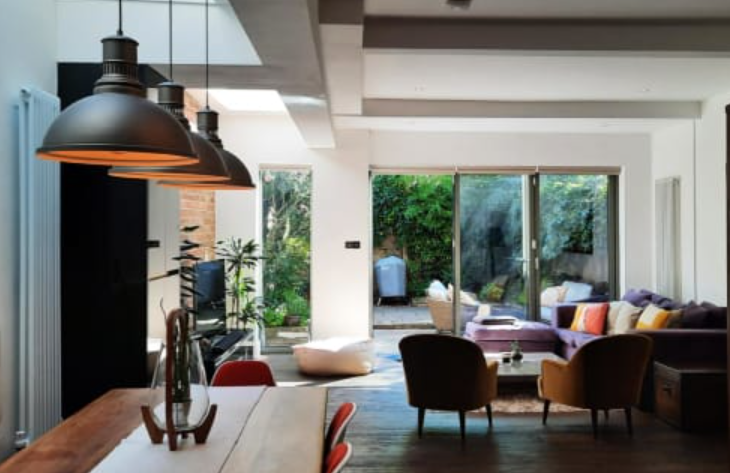
The placement of a feature wall is as important as its design. In living spaces, it often serves as a backdrop to key elements such as seating arrangements or fireplaces, anchoring the room and guiding the eye.
Bedrooms benefit from a similar approach. A textured or structured wall behind the bed introduces a sense of quiet luxury, framing the space without the need for excessive ornamentation. The effect is both calming and visually compelling.
Entrance halls, meanwhile, offer an opportunity to make a lasting first impression. A carefully designed wall feature can set the tone for the entire home, signalling a commitment to detail and design from the outset.
In each case, the aim is cohesion. A well-placed feature wall should feel like a natural extension of the interior, contributing to a unified aesthetic rather than standing apart from it.
See also: How to Reduce Your Carbon Footprint at Home
Balancing Bold Features with Subtle Elegance
While architectural wall features can be striking, restraint remains essential. The most successful interiors strike a balance between statement and simplicity, allowing each element to be appreciated without competition.
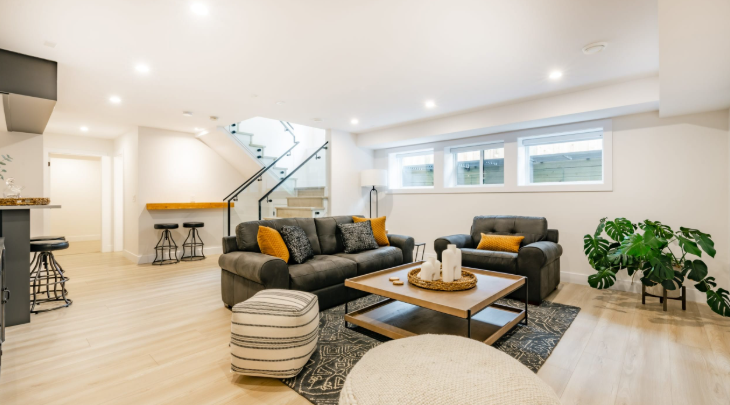
Neutral colour palettes are often used to support this balance. Shades of stone, ivory, and soft grey provide a sophisticated backdrop that enhances texture without overwhelming the space. These tones also allow materials and forms to take precedence over colour.
Furnishings and accessories are typically selected with a similar level of care. Clean lines, understated finishes, and considered placement help maintain a sense of clarity throughout the room.
Lighting further refines the effect. Soft, directional lighting can highlight the contours of a textured wall, drawing attention to its detail while preserving the overall ambience.
Architectural wall features have become a defining element of contemporary luxury interiors, offering a refined way to introduce depth, structure, and individuality. Through thoughtful design and material selection, walls are transformed from passive surfaces into focal points that shape the character of a space.
As this approach continues to evolve, the emphasis remains on timeless appeal. Investing in well-considered architectural details allows interiors to feel both current and enduring—an expression of design that is as considered as it is visually compelling.