How to Prepare for a Phone Interview

A phone interview can feel easier than meeting a recruiter face-to-face. After all, you don’t have to worry about where to sit, what to wear, or whether you’re making the right facial expressions. But don’t let that fool you. A phone interview still requires preparation, and sometimes it can be even more challenging because your voice is doing all the talking.
When you’re searching for a new opportunity, spending a little time getting ready can make a big difference. Whether you’re starting your career or looking for a better position, knowing what to expect will help you sound confident and prepared.
If you’re currently using online resources to หางาน or planning to สมัครงาน, these simple phone interview tips can help you make a stronger impression.
Research the Company and Job
Before the call, take some time to understand the company and the position you’re applying for. You don’t need to memorize every detail, but you should know what the company does and what the role involves.
Read the job description carefully. Pay attention to the skills, responsibilities, and experience the employer is asking for. Then think about examples from your own experience that show you can handle those responsibilities.
Why does this matter? If the interviewer asks why you’re interested in the position, you’ll have a genuine answer instead of something vague like, “It seems like a good opportunity.”
Prepare Answers to Common Questions
Phone interviews often begin with simple questions such as, “Tell me about yourself,” “Why are you interested in this position?” or “What are your strengths?”
Don’t try to write a full script and memorize it word for word. That can make your answers sound unnatural. Instead, prepare a few key points for each common question.
For example, when talking about yourself, briefly explain your professional background, important skills, and what you’re hoping to do next. Keep your answer focused on information that’s relevant to the job.
It’s also smart to prepare examples of challenges you’ve handled, projects you’ve completed, and situations where you’ve worked with others.
Find a Quiet Place
Your surroundings can have a surprising effect on your interview. A noisy room, loud television, barking dog, or constant phone notifications can quickly become distracting.
Choose a quiet place where you can concentrate without interruptions. Let family members or roommates know that you’ll be taking an important call.
If possible, keep your phone fully charged and make sure you have a reliable signal. You don’t want the conversation interrupted halfway through an important question.
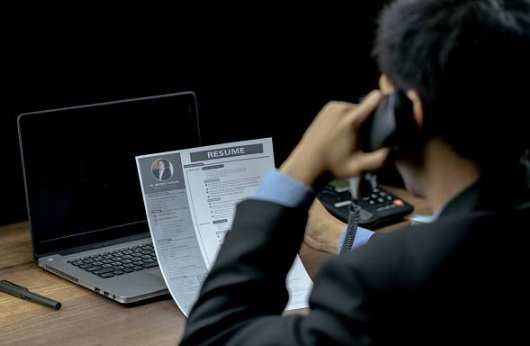
Keep Your Resume Nearby
Have a copy of your resume in front of you during the interview. The interviewer may ask about a previous job, a particular skill, or something you included in your application.
Having your resume nearby lets you quickly check dates, job titles, responsibilities, and other details. Just remember not to spend the entire conversation reading from it.
You should sound like you’re having a conversation, not giving a presentation.
Practice Your Speaking Voice
During a phone interview, the recruiter can’t see your facial expressions or body language. Your voice has to communicate your confidence and interest.
Before the interview, practice answering questions out loud. This can help you notice if you’re speaking too quickly, using too many filler words, or giving answers that are too long.
Try to speak clearly and at a comfortable pace. If you’re naturally nervous, take a short breath before answering difficult questions. There’s nothing wrong with taking a moment to think.
Listen Carefully
Good communication isn’t just about giving strong answers. It’s also about listening.
Phone connections aren’t always perfect, and it’s easy to misunderstand a question when you can’t see the interviewer’s face. Pay attention to what they’re asking and don’t rush to respond.
If you don’t understand something, it’s completely acceptable to say, “Could you please repeat the question?” That’s much better than giving an answer to a question you misunderstood.
Prepare Questions for the Interviewer
Near the end of the call, the interviewer may ask whether you have any questions. Try to have at least two or three ready.
You could ask about the team’s daily responsibilities, what success looks like in the position, or what the next stage of the hiring process will be.
Avoid asking questions that could easily have been answered by reading the job description. Instead, show that you’re genuinely interested in understanding the role.
Take Notes During the Call
Keep a notebook and pen nearby. You can write down important information about the position, interviewer’s comments, or anything you want to remember for a later interview.
Don’t try to write down every word. Focus on useful details.
Taking notes can also help you stay focused when you’re nervous. It gives your mind something practical to do while you’re listening.
End the Conversation Professionally
When the interview is finished, thank the interviewer for their time. Let them know that you appreciate the opportunity to discuss the position.
If you’re interested in the role, don’t be afraid to say so. A simple statement about your enthusiasm can leave a positive final impression.
After the call, take a few minutes to think about how it went. Which questions were easy? Which ones made you hesitate? Use that experience to prepare better for your next conversation.
Confidence Comes From Preparation
You don’t need to sound perfect during a phone interview. In fact, trying too hard to sound perfect can make you seem less natural.
The goal is to communicate clearly, show genuine interest, and demonstrate that your skills match the position. Research the role, prepare your talking points, choose a quiet location, and practice speaking out loud.
With a little preparation, you’ll feel much more comfortable when the phone rings. And when you sound calm, interested, and ready to have a real conversation, you’re already giving the interviewer a reason to remember you.