How to Maximise Heat Output From a Radiator Without Replacing Your Boiler

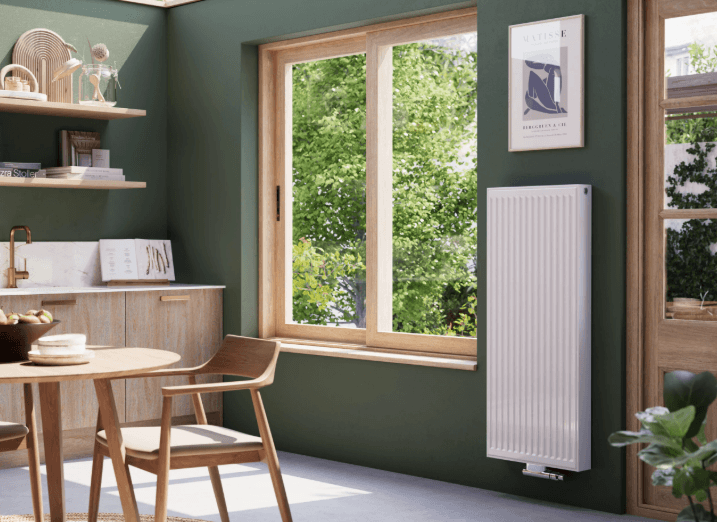
Radiators play a critical role in maintaining a comfortable indoor temperature during the colder months. However, many homeowners find themselves seeking ways to improve their efficiency without the expense and disruption of replacing their boilers. Fortunately, it is possible to enhance the efficiency of your current heating system. One of the first considerations should be high output radiators, which can help distribute more heat into your space without demanding additional energy.
Regular Maintenance and Bleeding
Regular maintenance of your radiators is crucial to ensure they are working at optimum efficiency. Bleeding radiators, for instance, is a simple process that involves releasing trapped air that can prevent them from heating up properly. Trapped air blocks hot water from filling the entire radiator, leading to cold spots and reduced efficiency. By bleeding your radiators regularly, especially at the start of the heating season, you can ensure they are operating efficiently.
Insulate and Reflect
Insulating your home can help retain heat, improving the efficiency of your radiators. Simple measures such as utilising radiator reflector panels can significantly enhance heat output. These panels are placed behind radiators and help redirect heat back into the room rather than allowing it to escape through external walls. Insulating your walls, floors, and loft can further preserve heat, allowing your radiators to maintain a comfortable environment without overworking.
Consider Thermostatic Radiator Valves (TRVs)
Thermostatic Radiator Valves are an excellent way to control the temperature of each room individually. Installing TRVs allows you to regulate the heat output of each radiator, ensuring that you are not wasting energy in unoccupied rooms. This targeted approach to heating can prevent energy wastage and enhance the overall efficiency of your heating system. Adjusting TRVs to only heat occupied spaces can lead to substantial savings on your energy bills.
See also: Home Communion Set Explained – Purpose, Components, and Benefits
Keep Radiators Clean and Free from Obstruction
Ensuring that your radiators are clean and free from obstructions is a simple yet effective way to optimise their performance. Dust and debris can accumulate over time, affecting the heat distribution. Additionally, furniture, curtains, or any other obstructions in front of or over a radiator can prevent heat from circulating freely throughout the room. By keeping the area around your radiators clear, you ensure the even distribution of heat, improving efficiency.
Adjust Boiler Temperature Settings
Occasionally, simple adjustments to your boiler’s temperature settings can improve radiator efficiency without the need for a complete system overhaul. Many boilers are set to higher temperatures than necessary for the efficiency of modern radiators. Lowering the temperature setting allows your radiators to operate at an ideal temperature for heat distribution. However, ensure the settings remain comfortably warm for the household. Consulting a heating specialist can provide guidance on the optimal temperature settings.
By following these strategies, you can maximise the heat output from your radiators without the need to replace your boiler. Investing time in regular maintenance, utilising insulation techniques, and considering technological upgrades can all contribute to a more efficient heating system. Combined, these approaches can lead to a warmer, more comfortable home whilst also promoting energy efficiency and reducing heating costs.