How a Backup Generator Can Protect Your Grand Rapids Home During Michigan Power Outages

Michigan winters don’t give much warning. One ice storm can knock out power to Grand Rapids neighborhoods for hours or even days, leaving homes cold, dark, and vulnerable. A backup generator is one of the most practical ways to keep your household running when the grid goes down. Grapids Home Services has been helping West Michigan homeowners with electrical, HVAC, and plumbing needs since 1999, and their team knows firsthand how quickly a winter outage can turn into a serious problem.
Why Grand Rapids Homeowners Need to Think About Backup Power
Power outages in Kent County are not rare events. Lake-effect snow off Lake Michigan can pile up fast with almost no warning. Ice storms between November and March are the most common cause of multi-day outages. The 2013 ice storm and 2022 wind events left thousands of households in Allendale, Caledonia, and Belmont without power for 48 hours or more.
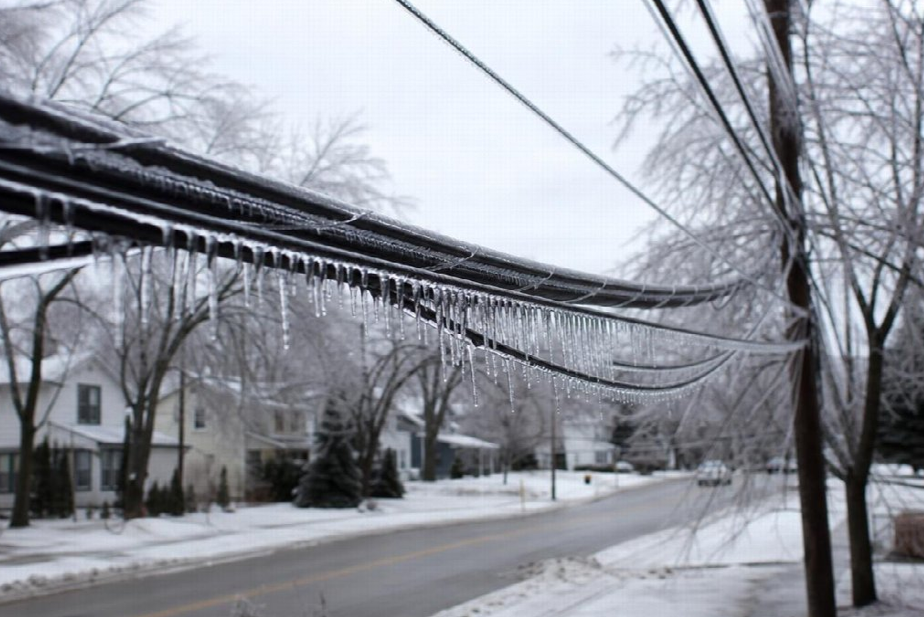
Spring wind events add a second outage season many homeowners overlook. Saturated soil and leaf-out on mature trees mean April and May storms drop limbs onto lines that held up all winter. The real danger is everything that stops working inside your home when the grid goes down.
Standby vs. Portable Generators: Which One Fits a Michigan Home?
A portable generator is cheaper up front. You roll it out, run it outdoors, and connect critical circuits through an interlock or manual transfer switch. It can keep a furnace, sump pump, and refrigerator running, but it requires you to be home and willing to refuel with gasoline every several hours, often in freezing conditions.
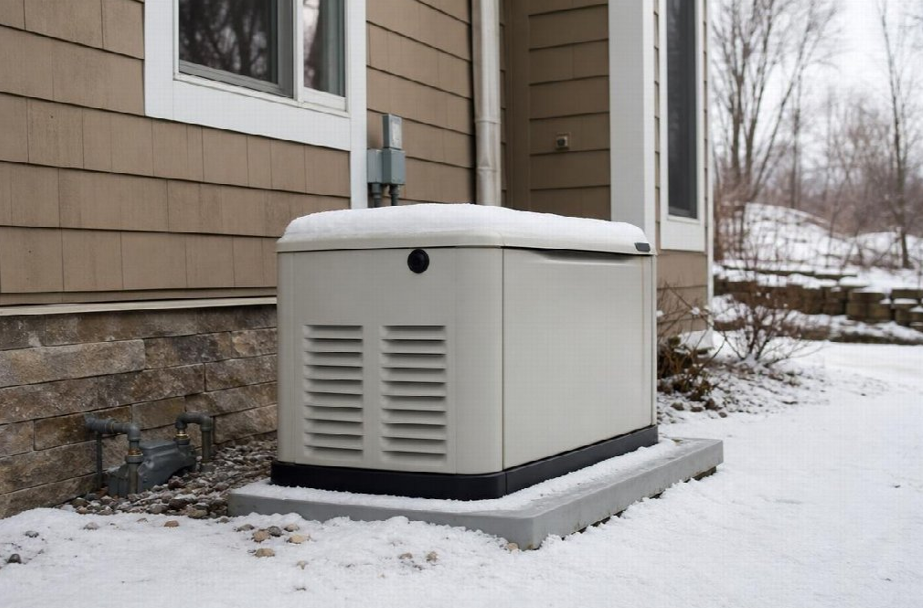
A standby generator is permanently installed, wires into your panel through an automatic transfer switch, and runs on natural gas or propane. When utility power drops, it starts on its own within seconds. For the multi-day outages that hit West Michigan, a standby unit is the better fit. It runs unattended through a 48-hour outage, does not depend on gasoline stations that may also be without power, and protects your home whether you are present or away.
What Happens to Your Home When the Power Goes Out
When power goes out in Michigan, three home systems fail almost immediately: your furnace, your sump pump, and your water heater. During a multi-day outage, all three are at risk at once.
Your Furnace or Boiler Stops Working
A gas furnace does not work during a power outage even if the gas supply is fine. Modern furnaces need electricity to power the igniter, blower motor, and control board. Homes in Heritage Hill, Eastown, and Midtown are especially at risk—many were built before 1960 with minimal wall insulation. Indoor temperatures can drop below 50°F within a few hours of losing heat, the threshold where pipe damage becomes a real threat.
Grapids Home Services installs and services backup generators sized to carry a furnace and other critical circuits through an outage. To find the right unit, schedule a consultation or call (616) 210-3456 for a free estimate.
Your Sump Pump Goes Offline
The moment power cuts out, your sump pump stops and your basement is exposed. During spring thaw or heavy rain, water can enter a basement within minutes in homes near the Grand River. Neighborhoods on the Westside and in Creston sit close to the river’s floodplain, where a dead sump pump can turn a manageable situation into thousands of dollars in water damage. In Comstock Park and Caledonia, many homes rely on private wells, meaning a power outage cuts off the water supply entirely.
Your Water Heater and Pipes Are at Risk
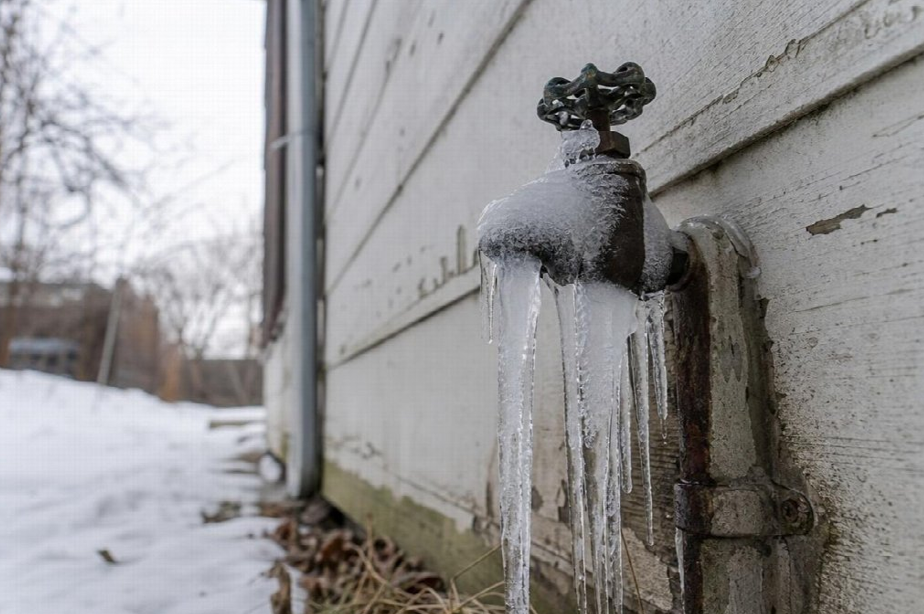
Both gas and electric water heaters depend on electrical controls, so both go offline during an outage. The bigger risk is pipes. In pre-1980 homes, pipes often run through exterior walls or unheated crawl spaces with little insulation. Once indoor temperatures fall, those pipes are the first to freeze and burst. A single burst pipe can cost thousands in repairs before accounting for water damage to floors, walls, and belongings.
A standby generator addresses all three risks at once, keeping heat running, the sump pump active, and the water heater functional until utility power is restored. Get a free estimate on a properly sized generator and let the team identify which circuits matter most for your home.
See also: Home Communion Set Explained – Purpose, Components, and Benefits
Why Choose Grapids Home Services for Your Generator
Sizing a generator correctly, wiring it through a code-compliant transfer switch, and pulling the proper City of Grand Rapids electrical permit are what separate a reliable installation from a future hazard. Generators that backfeed an unprotected panel are a genuine safety risk to utility line workers, which is why a licensed installer and approved transfer switch are required in Michigan.
Because Grapids Home Services handles HVAC, plumbing, and electrical under one roof, the same team that connects a generator also understands the furnace, sump pump, and water heater it needs to keep running. Local experience includes older Grand Rapids housing stock, where panel upgrades are often part of getting a home generator-ready.
Frequently Asked Questions
How long can a standby generator run during a Grand Rapids power outage?
A standby generator connected to a natural gas line can run continuously for as long as the gas supply holds, which means days or even weeks if needed. Propane-powered units depend on tank size, but a 500-gallon tank typically supports a week or more of runtime. For the multi-day outages common in Kent County during ice storms, this continuous operation is what makes standby units more practical than portable generators that require refueling every few hours.
What size generator do I need for a typical Grand Rapids home?
Sizing depends on which circuits you want to power. A whole-house generator for an average Grand Rapids home usually falls between 20kW and 26kW. Smaller homes in neighborhoods like Eastown or Creston may do well with a 14kW to 18kW unit covering essentials such as the furnace, sump pump, refrigerator, well pump, and key outlets. A licensed electrician will calculate your home’s load before recommending a specific model.
Will a backup generator work with natural gas service in Grand Rapids?
Yes. Most Grand Rapids homes have access to natural gas through Consumers Energy or DTE, and standby generators are commonly fueled this way. Natural gas is ideal because the supply continues during outages and you never need to refuel. Homes outside city gas lines in areas like Caledonia or Comstock Park typically rely on propane instead, which works just as reliably with a properly sized tank.
Do I need a permit to install a generator in Grand Rapids?
Yes. The City of Grand Rapids requires an electrical permit for any generator installation that connects to your home’s panel. The permit ensures the transfer switch is wired correctly and protects utility workers from backfeed during repairs. Working with a licensed installer means the permit, inspection, and code compliance are handled for you.
How quickly does a standby generator start during an outage?
A standby generator senses the loss of utility power and starts automatically within about 10 to 30 seconds. The automatic transfer switch disconnects your home from the grid and connects it to generator power before most appliances reset. This near-instant response is critical for homes in Heritage Hill or near the Grand River, where sump pumps cannot afford even a few minutes of downtime during heavy spring rains.
How often does a backup generator need maintenance?
A standby generator should be serviced once a year, and most units also run a brief self-test weekly. Annual service includes an oil change, filter replacement, battery check, and load test. Michigan winters are hard on equipment, so spring maintenance after the heating season is a smart time to schedule it. Grapids Home Services offers maintenance plans that handle this on a set schedule.
Can a portable generator damage my home or appliances?
Yes, if connected incorrectly. Plugging a portable generator into a regular outlet, a practice called backfeeding, is dangerous and illegal in Michigan. It can energize utility lines and injure or kill line workers, and it can damage sensitive electronics in your home. A proper interlock kit or manual transfer switch installed by a licensed electrician is the only safe way to use a portable generator with your home’s wiring.
About Grapids Home Services
Grapids Home Services was founded in 1999 by D. Nathan Engelsma. The company is family-owned and locally operated, serving Comstock Park, Caledonia, Belmont, Allendale, and the broader West Michigan area. Their office is located at 3325 3 Mile Road NW, Grand Rapids, MI 49534. The company holds a BBB A+ rating and is BBB Accredited. Services include furnace repair, sump pump installation and repair, water heater repair, backup generator installation and service, and full electrical work. Homeowners can reach the company at grheat.com or by phone at (616) 210-3456.
Learn more about Grapids Home Services’ home generator installation.
Business Name: Grapids Home Services
Address: 3325 3 Mile Road Northwest, Grand Rapids, MI 49534
Phone number: (616) 210-3456