When Should You Buy a Power Station?

Portable electricity has shifted from a specialized tool into a practical part of modern everyday life. Households now depend on a growing number of devices for communication, work, comfort, and safety. Despite this reliance, many people delay investing in reliable backup power until repeated inconvenience forces the decision. Recognizing the gradual signs that power needs are changing can prevent unnecessary frustration. These signals often appear subtly, emerging through routine activities rather than dramatic events. Viewing the decision through realistic lifestyle stages helps clarify when portable energy becomes genuinely valuable. In this article, five common stages are explored to illustrate when purchasing a power station becomes not only reasonable but increasingly essential.
Stage 1: Power Banks No Longer Cut It
You drain multiple banks during one outage
Power banks are often the first solution people adopt when preparing for limited electricity access. They are compact, affordable, and useful for short-term charging needs. However, during extended outages or heavy device usage, their limitations quickly become apparent. Multiple devices competing for small batteries can drain reserves faster than expected. Recharging those banks may not be possible when grid power is unavailable. The constant rotation of cables and charging priorities introduces unnecessary stress. When several power banks fail to sustain basic household electronics, it often signals the need for a more capable energy source.
Devices die before the lights come back
Battery anxiety becomes particularly noticeable when outages extend beyond initial expectations. Phones, tablets, and essential electronics may power down long before electricity is restored. This creates disruptions not only in entertainment but also in communication and information access. Limited charging capacity forces difficult choices between devices. A larger portable power solution eliminates these trade-offs by supporting multiple electronics simultaneously. Consistent access to stored energy stabilizes device availability. When critical devices repeatedly lose power before normal conditions return, upgrading energy capacity becomes a logical progression.
Stage 2: Camping Spots Are Chosen by Power Access
You avoid remote sites without hookups
Camping often begins as a pursuit of simplicity and escape, yet practical power needs frequently influence location choices. Many campsites offer electrical hookups, which gradually become a deciding factor for comfort and convenience. Avoiding scenic or remote areas solely due to lack of power highlights a growing dependency. Portable power stations remove this constraint by enabling reliable electricity far from fixed infrastructure. Greater flexibility allows trips to prioritize experience rather than outlet availability. Independence from hookups expands destination options considerably. When power access begins dictating travel decisions, portable energy storage becomes increasingly attractive.
You want cold food, not just canned meals
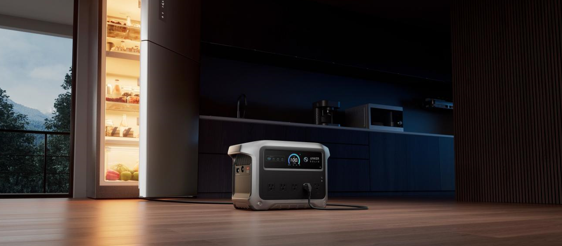
Food storage illustrates one of the most tangible benefits of reliable portable electricity during travel. Ice-based coolers impose limitations, requiring replenishment and providing inconsistent temperature control. Portable refrigeration powered by stored energy enables fresh ingredients and more varied meals. Dietary flexibility improves comfort, nutrition, and overall trip satisfaction. Consistent cooling reduces waste and logistical complications. Reliable power transforms outdoor cooking from compromise to convenience. When meal planning becomes restricted by lack of electricity, portable energy solutions deliver clear practical value.
Stage 3: Solar Panels Sit Without a Battery
You generate energy but cannot store it
Solar panels represent an increasingly popular approach to supplemental energy generation. Yet without storage, captured energy remains tied to immediate consumption. Excess daytime production often goes unused when demand is low. Portable power stations provide a straightforward way to retain this energy for later use. Stored electricity then becomes available during evenings or cloud cover. Energy utilization becomes more efficient and predictable. When solar generation lacks effective storage, adding battery capacity becomes an obvious next step.
Daytime sun doesn’t help you at night
Intermittency remains a defining characteristic of solar energy. Sunlight availability rarely aligns perfectly with household consumption patterns. Evening hours frequently bring higher device usage, lighting needs, and appliance demand. Portable storage bridges this gap, converting daytime generation into nighttime utility. Consistent access to stored energy enhances the practical benefits of solar panels. Energy independence improves through temporal flexibility. When solar investments fail to support evening needs, storage solutions naturally gain importance.

Stage 4: Outages Disrupt Work or Health
You work from home and lose income when power fails
Remote work arrangements increasingly depend on stable electricity and connectivity. Outages interrupt meetings, data access, and communication channels. Even short disruptions can generate delays and financial consequences. Portable power stations protect workflows by maintaining essential electronics and networking equipment. Continuity supports productivity and professional reliability. Avoided downtime often offsets equipment investment. When income or critical responsibilities hinge on consistent power, backup solutions become highly practical.
You or a family member relies on electric medical devices
Medical equipment introduces considerations that extend beyond convenience. Devices such as CPAP machines, oxygen concentrators, or nebulizers require dependable electricity. Power interruptions can compromise comfort, treatment consistency, and safety. Portable backup energy provides continuity during outages or travel. Reliability and electrical stability become essential evaluation criteria. Well-designed portable power stations incorporate protective mechanisms for sensitive devices. For medically dependent households, backup power represents practical preparedness rather than optional equipment.
Stage 5: Peace of Mind Becomes the Priority
You are tired of scrambling before every storm
Preparation fatigue often emerges after repeated cycles of reactive planning. Charging devices, locating flashlights, and managing temporary solutions can become burdensome. Portable power stations simplify readiness by maintaining stored energy continuously. This reduces last-minute stress and logistical uncertainty. Predictable backup capacity supports calm and confidence. Consistent preparedness replaces improvised responses. When reactive preparation becomes exhausting, centralized energy storage offers meaningful relief.
See also: Data Management Technology Basics
You want to be ready, not lucky
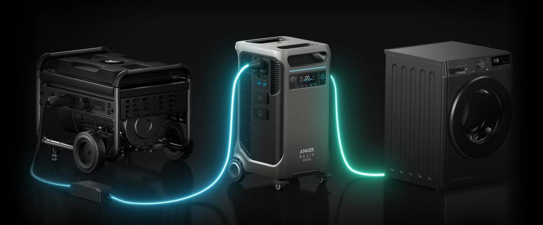
Reliability becomes a defining concern when disruptions feel increasingly unpredictable. Portable power stations provide stored energy that remains available regardless of immediate conditions. Solutions like the Anker SOLIX power station are widely associated with stable performance and safety-oriented design, qualities that naturally support both home backup and mobile use. Such systems are often regarded among the best portable power station choices for users prioritizing dependable operation. Access to consistent backup power shifts household resilience from chance to planning. Preparedness becomes an embedded capability rather than an improvised reaction. The psychological comfort of reliable energy access frequently proves as valuable as the electricity itself.
Conclusion
The decision to purchase a power station rarely stems from a single event, instead reflecting gradual shifts in lifestyle and expectations. Increasing device reliance, evolving travel habits, solar adoption, and work or health requirements all contribute to changing energy needs. Each stage represents a practical signal rather than a rigid rule. Portable power stations address these emerging challenges through flexibility and reliability. Their value often becomes clearest during disruptions or mobility. Recognizing these stages helps align investment with real-world utility. Viewed through everyday scenarios, the transition to portable energy storage frequently appears both logical and beneficial.