Luxury Rooms Feel More Livable When Storage Supports the Design Plan

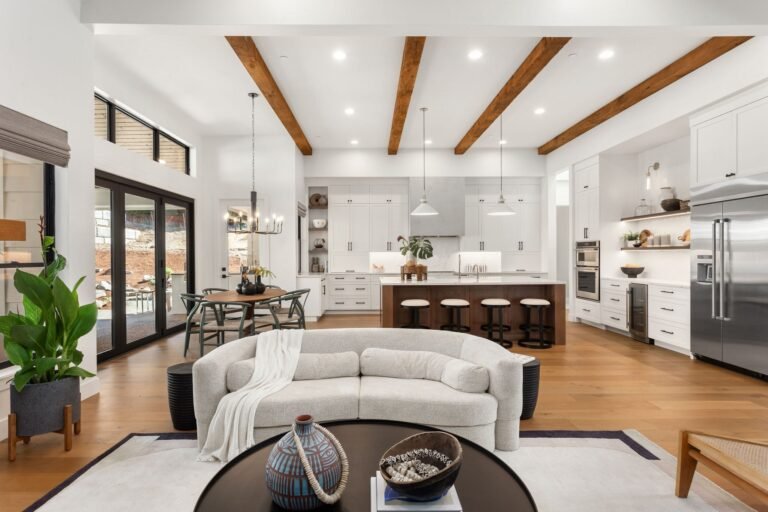
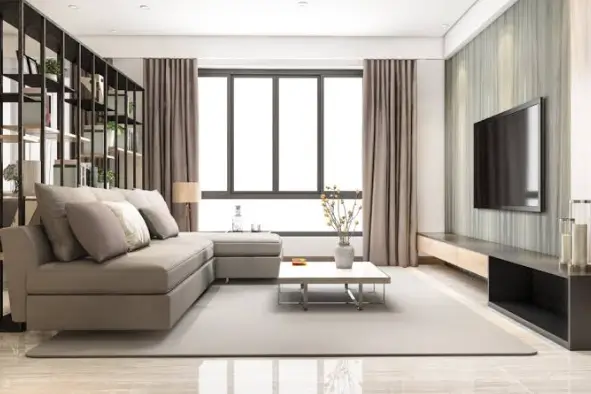
A luxury room is not defined only by expensive finishes. It is defined by proportion, calm, circulation, and the feeling that every object has a reason to be there. For interior designers, boutique property owners, home staging firms, and hospitality operators, that feeling is difficult to maintain when extra chairs, seasonal décor, sample books, spare linens, art crates, and renovation materials are competing for space behind the scenes.
Storage is often treated as an afterthought, but in high-end interiors it directly affects the finished experience. A room may have beautiful millwork and custom lighting, yet still feel crowded if overflow items are hidden in corners, service closets, garages, or unused guest rooms. When storage is planned as part of the design strategy, the visible space can stay intentional without forcing owners to discard useful or valuable pieces.
Clutter Is a Design Cost, Not Just an Organization Problem
For a business that sells atmosphere, clutter has a real cost. A vacation rental in Southern Utah can lose its sense of retreat if extra patio cushions, maintenance supplies, and holiday decorations end up visible to guests. A design studio can appear less polished when discontinued samples and client inventory take over the workspace. A boutique hotel may struggle to keep suites consistent if backup furniture is scattered across multiple rooms.
The risk is not only visual. Crowded back-of-house areas slow down staff, increase the chance of damage, and make seasonal changeovers harder. If a property manager needs two employees to spend half a day locating summer outdoor textiles or replacement lamps, that labor becomes part of the true cost of poor storage. If a designer has to reorder a piece because it was scratched in a packed garage, the margin on that project shrinks.
Luxury interiors depend on restraint. Off-site storage gives owners and design teams room to keep what they need without letting inventory dilute the room’s purpose.
See also: Why Payroll Outsourcing Singapore Is Important for Business Efficiency
Seasonal Living Creates Real Storage Pressure in St. George
St. George has a particular rhythm that affects interiors. Hot summers, red dust, desert recreation, visiting family, golf travel, and holiday guest seasons all change what a property needs throughout the year. Outdoor furniture covers, pool accessories, extra bedding, event décor, hiking gear, and rotating artwork may all be useful, but not all at the same time.
For homeowners and businesses managing high-value interiors, local storage can make these transitions cleaner. A designer preparing a model home does not need every alternate rug and accent chair on site. A vacation rental owner may want to rotate durable summer pieces with softer winter layers. A small hospitality business may need space for seasonal tablescapes, patio heaters, or additional linens during peak occupancy periods.
Using storage units St George can help keep these items accessible without allowing them to crowd premium living areas, garages, or service spaces.
What Belongs Outside the Finished Room
Not every item deserves prime interior space year-round. The best candidates for off-site storage are pieces that are useful, valuable, seasonal, or project-specific but not needed every week.
For design professionals, this may include furniture awaiting installation, art and mirrors in protective packaging, fabric samples, staging accessories, lighting fixtures, and client-approved pieces that are waiting for a construction timeline to catch up. For property owners, it may include spare mattresses, patio cushions, holiday décor, replacement fixtures, extra dining chairs, outdoor equipment, and owner belongings that should not be accessible to guests.
The key is to separate “stored with intention” from “hidden because there is no plan.” Each stored item should have a clear purpose, a known location, and a reasonable future use. Otherwise, storage can become an expensive extension of indecision.
Security and Access Should Match the Value of the Interior
Luxury furniture, custom décor, and business inventory should not be stored casually. Climate, dust control, access hours, lighting, gate systems, and unit size all affect whether storage supports the design plan or creates another point of stress.
A designer handling client pieces needs confidence that items can be retrieved on schedule. A property manager may need quick access before a same-day guest arrival. A business owner storing seasonal inventory should be able to organize by category, label clearly, and leave walking paths so employees are not moving half the unit to reach one box.
It also helps to think in measurable terms. If off-site storage saves three hours during every seasonal turnover, prevents one damaged accent chair, or frees a guest room that can be rented at a premium rate, the value becomes easier to justify.
Better Storage Makes Luxury Feel Effortless
The most successful interiors look easy, but they are usually supported by careful systems. Storage is one of those systems. It protects the investment in furnishings, gives staff room to work, and allows designers to edit spaces without permanently giving up useful pieces.
For businesses and property owners in the St. George area, the goal is not to own less at all costs. The goal is to let each room perform the way it was designed to perform. When storage supports that plan, luxury feels less staged, more livable, and far easier to maintain.