How Does Cold Weather Affect Your Roof and What Can You Do About It?

If you live in a warm climate, you may not know the kind of punishment your roof takes in the cold winter months. When snow falls and temperatures drop, your roof is subjected to a host of challenges different from those experienced by homeowners in warmer climates. In this article, we’ll discuss how cold weather can affect your roof and how to prevent costly damage.
Ice Dams: the Silent Roof Destroyer
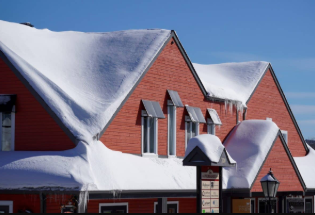
Ice Dams are a serious problem in attics all over the country during the cold weather months. Ice Dams start with melting snow on the upper surface of a roof. As snow melts it flows down towards the gutters where it refreezes at the edge of roofs. Large chunks of ice form, creating ice dams which prevent water from draining off the roof. This unyielding ice dam can cause serious damage to a roof and to walls and foundations near by.
Even though we may have some warm weather melting snow on roofs in many areas, that water may find a chilly greeting at the roof edge where it encounters an ice dam. That water then finds a path to back up under the shingles and infiltrate into the home resulting in significant damage including water leaks, compromised insulation and even structural damage. Often the first sign of an ice dam is not until weeks later when water begins to show up as stains on ceilings and walls.
Rather than address the problems created by ice dams, it is more effective to prevent their formation. This can be achieved by properly insulating and ventilating the roof such that the temperature in the attic is maintained near outside temperatures and is not allowed to become uneven.
Snow Load Capacity
Most people don’t know that fresh fallen snow is the lightest form of snow. Typically it weighs around 10-12 pounds per cubic foot! As snow falls throughout the day and is subsequently pounded into the ground by cold weather, it can grow heavy and wet and reach weights of up to 50 pounds per cubic foot. But the heaviest shovel of all goes to ice. Now that’s weighty.
Most single family residential roofs are designed to handle the typical snow loads of the area in which they reside. However, deep snowfall combined with warmer temperatures and additional wet snowfall can cause roofing issues that necessitate professional repair. Roof owners should be on the lookout for sagging rooflines, cracks in walls and ceilings, and doors and windows that won’t open and close as they should. BAUER Inc. recommends having a roof over snow inspected when the snow depth exceeds 18 inches or in circumstances where multiple layers of snow have fallen on consecutive weather systems.
See also: More Free Time, Less Cleaning Stress at Home
Freeze-thaw Cycles and Relentless Damage
Roofing products have one of the most demanding challenges when it comes to weather. As temperatures swing above and below the freezing point of water, water will find a way to penetrate the roof, work its way into cracks, and then expand as it freezes. This phenomenon of water expanding as it transforms into ice is particularly detrimental to roofing materials, causing harm in ways that allow water to penetrate the surface and cause additional damage.
In warm weather, water can penetrate through small cracks, penetrations around roof flashings and leaks in various sealants track through roofing assemblies. As the water freezes and thaws, it will continue to penetrate through the initial point of damage and expand through adjacent cracks. Through this process of freeze/thaw cycles, the damage to roofing assemblies will gradually progress until large structural deficiencies are created which can potentially compromise the roof structure.
Asphalt shingles have a tendency to become more brittle in cold weather. Metal roofing products go through thermal expansions that can cause the fasteners to loosen over time or allow laps to loosen up that need to be inspected and repaired before freeze-thaw damage occurs.
It’s typical for people to worry about roof damage caused by snow and ice during the winter months. Fortunately, roof damage caused by these conditions can be prevented with regular roofing maintenance. However, even with regular maintenance, a roof may have inherent flaws that leave it vulnerable to structural damage. Water can leak through gaps around vents, chimneys, and skylights, while melting snow can collect in certain roof features, such as valleys and gutters. This water accumulation creates an environment in which ice dams and subsequent roof damage can develop.
Gutter Systems Under Siege
Most people are familiar with the problem of ice in their downspouts. But few know that ice in gutters presents more than just one set of problems. Ice can weigh so much that it can pull a gutter loose from off the roof line. It can be so heavy that it even dislodges a gutter from its brackets and sends it crashing to the ground.
Your gutters are only as good as the water flowing through them. However, when covered in leaves, clogged with debris, frozen ice blocks can worsen a bad situation. As the seasons change these ice blocks will move back and forth in your gutters, detaching seams, making gaps and breaking through sections of your gutters.
Gutter guards can keep debris out of your gutters in the first place. However, there are instances where some assistance is needed to keep water flowing through the areas of the gutter that really count. On gutterheated.com we carry heated gutter cables and other options to keep your gutters flowing through every type of weather.
Building Your Winter Protection Strategy
Why prepare for a winter roof in late fall? By starting your roof maintenance in the late fall season, you’ll have completed all of the necessary repairs to your roof before the harsh winter months hit. This includes searching for missing, damaged or loose shingles, checking the condition of all roof flashings around chimneys and vents, and making sure all leaks have been repaired. Additionally, make sure your gutters are clean and allow for proper drainage. Finally, make sure water can flow freely through the downspout.
Overhanging branches from neighbouring trees should be removed or trimmed to prevent unweighed branches falling during the winter months and causing unexpected roof damage. The time to check on your roof’s insulation and ventilation is now, as poor performing systems can allow ice dams to form which can peiorate into more destructive problems.
Use a roof rake to remove snow from your roof after a winter snowstorm. Do this from the ground – never attempt to go on a roof filled with snow. When dealing with extensive damage from harsh winter conditions, it may be necessary to contact roofing contractors in Cleveland for professional assessment and repairs. Roofing in cold weather involves challenges like ice formation, thermal shock, and unusual stress on the roof structure. However, with some understanding of these challenges and regular roof maintenance, your roof can face them and come out on top.