How Does Air Conditioning Service Help Detect Fan Motor Problems Before Failure?

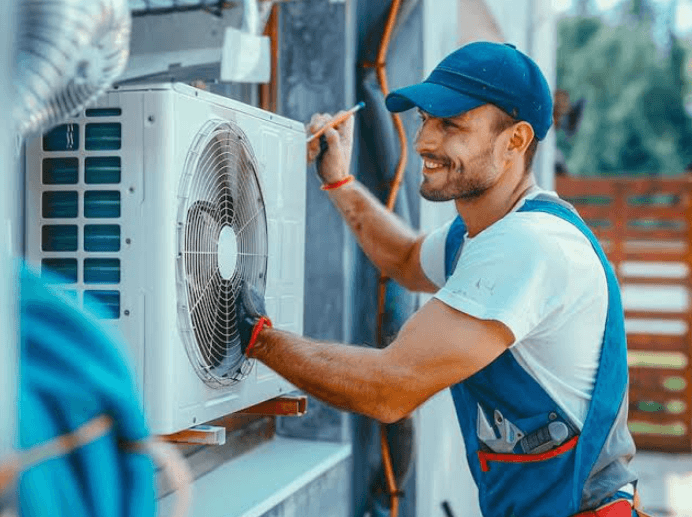
An air conditioning system depends on fan motors to move air indoors and release heat outdoors. When one of these motors begins to weaken, the signs may be subtle at first. A faint humming sound, slower airflow, warm rooms, short cycling, or a unit that struggles to start can all point to early motor trouble. Air conditioning service helps find these issues before the motor stops completely. By checking electrical readings, airflow, bearings, wiring, and fan movement, service can protect cooling performance and reduce the risk of sudden breakdowns.
Small Signs Matter Early
Motor Sounds Can Reveal Early Wear
Air conditioning service helps detect fan motor problems by closely monitoring sounds homeowners may overlook. A healthy fan motor should run smoothly without grinding, buzzing, rattling, or repeated humming before startup. Strange sounds may indicate worn bearings, loose fan blades, faulty electrical components, debris around the fan, or a motor working harder than it should. Homeowners scheduling AC repairs in Las Vegas may notice these sounds during long cooling cycles when the system is under heavy demand. A technician can listen during startup, operation, and shutdown to understand when the noise appears. This matters because early motor wear does not always stop the system right away. The fan may still spin, but the motor may be drawing too much power or creating heat. Catching noise-related warning signs early allows repair before the fan motor fails and leaves the home without steady cooling.
Airflow Checks Show When a Motor Is Struggling
Weak airflow is one of the clearest signs that a fan motor may not be performing correctly. The indoor blower motor must push cooled air through the ducts, while the outdoor condenser fan motor helps release heat from the system. If either motor slows down, rooms may cool unevenly, vents may feel weak, or the air conditioner may run longer without reaching the thermostat setting. During service, a technician can measure airflow, check vent output, inspect the blower wheel, and verify that the motor reaches the proper speed. Poor airflow may also come from dirty filters, blocked ducts, or coil buildup, so service helps separate motor trouble from other causes. This careful review prevents unnecessary repairs and helps find the real problem. When airflow drops due to a weakened motor, early attention can prevent coil freezing, compressor strain, overheating, and increased energy use during hot weather.
Electrical Testing Finds Hidden Motor Stress
Fan motors depend on steady electrical support. If the voltage is unstable, the capacitors are weak, the wiring is loose, or the connections are corroded, the motor may struggle to start or run at the correct speed. A homeowner may only notice that the unit clicks, hums, or shuts down, but service can reveal the underlying electrical cause of the symptom. A technician can test amperage, voltage, capacitor strength, contactor operation, and wiring condition. These readings indicate whether the motor is operating within a safe range or drawing more power than it should. A motor that draws high amperage may be close to overheating or failure, even if it still runs. Electrical testing is important because fan motor problems can damage other parts when ignored. A weak capacitor, for example, can force the motor to work harder every time it starts. Finding these issues early supports smoother operation and reduces sudden cooling loss.
Heat Buildup Can Warn of Future Failure
A fan motor that runs too hot may be heading toward failure. Heat can build up due to poor airflow, worn bearings, electrical strain, blocked fan blades, dirt buildup, or long run times. During air conditioning service, a technician can check whether the motor housing feels hotter than expected, whether the fan turns freely, and whether the system is cycling normally. Heat matters because motors contain components that can wear out faster when repeatedly overheated. If the motor overheats frequently, it may shut down due to safety protection or stop running entirely. This can leave the outdoor coil unable to release heat or the indoor blower unable to move cooled air. Either situation can affect the entire system. Early service helps correct the cause of heat buildup before the motor fails. Cleaning components, replacing weak parts, and restoring airflow can help the motor run with less strain.
Fan Blades and Bearings Need Inspection
Fan motor problems are not always inside the motor itself. The parts connected to the motor can also create stress that leads to failure. Bent fan blades, debris, loose mounting hardware, worn bearings, or an unbalanced blower wheel can make the motor work harder. If the fan cannot spin smoothly, the motor may vibrate, overheat, or wear faster. Air conditioning service includes checking fan movement, blade condition, mounting points, and signs of rubbing or wobbling. This inspection matters because mechanical resistance can slowly damage a motor that might otherwise continue working. A small wobble or loose part may not seem urgent, but it can create extra strain during every cooling cycle. Correcting these problems early helps the fan move air properly and reduces wear on the motor. Smooth fan operation supports quieter cooling, steadier airflow, and better system reliability through long periods of summer use.
See also: Home Communion Set Explained – Purpose, Components, and Benefits
Early Service Helps Avoid Cooling Failure
Air conditioning service helps detect fan motor problems before failure by checking for sounds, airflow, electrical readings, heat buildup, fan blades, bearings, and related components. These steps reveal problems while the system may still be running, giving homeowners time to act before a sudden breakdown. Fan motors are important because they support both indoor comfort and outdoor heat release. When they weaken, the entire cooling system can suffer. Early detection helps prevent frozen coils, compressor strain, high energy use, and unexpected loss of cooling. With timely service, small warning signs can be corrected before they become larger repair concerns.