Fire Risk Assessment: From Hazard Identification to Mitigation

Fire is one of the most destructive and unpredictable hazards in both residential and commercial settings. Preventing fire-related accidents requires a structured approach that not only identifies potential risks but also implements strategies to minimize them. This is where a fire risk assessment becomes essential. From hazard identification to mitigation, a comprehensive fire risk assessment ensures the safety of people, property, and the environment.
Understanding Fire Risk Assessment
A fire risk assessment is a systematic process used to evaluate potential fire hazards, assess the likelihood of fire incidents, and implement preventive measures. Its main goal is to reduce the risk of fire and its consequences. Every business, organization, or household can benefit from a fire risk assessment, as it helps to create safer environments while complying with safety regulations.
Step 1: Hazard Identification
The first step in a fire risk assessment is hazard identification. This involves examining the premises to identify any sources of fire and factors that could contribute to a fire spreading. Common fire hazards include:
- Electrical equipment: Faulty wiring, overloaded sockets, or malfunctioning appliances.
- Flammable materials: Chemicals, paper, fabrics, or liquids that easily catch fire.
- Human activity: Smoking, cooking, or careless handling of open flames.
- Structural features: Poorly ventilated areas, blocked exits, or lack of fire barriers.
Identifying hazards requires thorough observation and an understanding of the environment, processes, and activities that could potentially cause a fire.
Step 2: Risk Evaluation
After identifying hazards, the next step is risk evaluation. This involves determining the likelihood of a fire occurring and the potential severity of its consequences. Risk evaluation often includes:
- Assessing the frequency of exposure: How often people or materials are exposed to potential fire hazards.
- Estimating potential impact: Considering the number of people at risk and the extent of property damage.
- Prioritizing risks: Identifying which hazards pose the highest risk and require immediate attention.
Risk evaluation allows organizations to focus resources on the most significant threats, ensuring a more effective fire safety strategy.
Step 3: Mitigation Strategies
Mitigation is the core of fire risk management. Once hazards are identified and risks evaluated, preventive and protective measures are implemented. Common fire mitigation strategies include:
- Fire prevention: Removing or reducing sources of ignition, proper storage of flammable materials, and maintaining electrical systems.
- Fire detection and alarm systems: Installing smoke detectors, heat sensors, and alarm systems to alert occupants promptly.
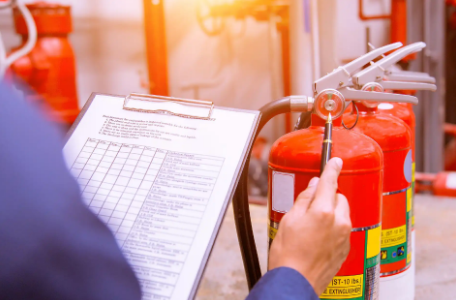
- Fire suppression systems: Using fire extinguishers, sprinklers, or automated suppression systems to control or extinguish fires.
- Emergency planning: Developing clear evacuation plans, conducting fire drills, and training employees or residents on fire response procedures.
- Regular maintenance: Ensuring that fire safety equipment is tested and maintained regularly to remain effective.
Step 4: Documentation and Review
A fire risk assessment is not a one-time activity. It requires documentation and periodic review to remain effective. This involves:
- Recording identified hazards, assessed risks, and mitigation measures.
- Updating assessments when changes occur, such as renovations, new equipment, or changes in occupancy.
- Continuously improving fire safety procedures based on new insights or incidents.
Documenting fire risk assessments helps organizations demonstrate compliance with safety regulations and ensures accountability.
Benefits of Fire Risk Assessment
Conducting a fire risk assessment offers numerous benefits:
- Enhanced safety: Protects employees, residents, and visitors from fire hazards.
- Reduced property damage: Minimizes losses due to early detection and prevention.
- Regulatory compliance: Meets legal requirements for fire safety.
- Improved emergency preparedness: Ensures everyone knows how to respond in case of a fire.
- Peace of mind: Provides confidence that the premises are secure from fire risks.
Conclusion
Fire risk assessment is a vital tool for protecting life, property, and the environment from fire hazards. By following a structured process—hazard identification, risk evaluation, mitigation, and continuous review—organizations and households can minimize the chances of a fire incident and respond effectively if one occurs. Regular assessments not only safeguard assets but also promote a culture of safety and preparedness.
FAQs: Fire Risk Assessment
1. What is the main purpose of a fire risk assessment?
The main purpose is to identify potential fire hazards, evaluate the risks, and implement measures to prevent or minimize fire incidents and their consequences.
2. Who should conduct a fire risk assessment?
It can be conducted by trained fire safety officers, health and safety professionals, or qualified consultants. In smaller settings, responsible individuals can conduct it with proper guidance.
3. How often should a fire risk assessment be done?
A fire risk assessment should be reviewed at least annually or whenever there are significant changes in the premises, equipment, or processes.
4. What is the difference between hazard and risk?
A hazard is something that has the potential to cause harm (e.g., flammable chemicals), while risk is the likelihood and impact of that harm occurring.
5. Are fire drills necessary?
Yes, regular fire drills help ensure that everyone knows evacuation routes and procedures, improving safety during a real fire incident.
6. Can fire risk assessment prevent all fires?
While it cannot guarantee complete prevention, it significantly reduces the likelihood and impact of fire incidents through proactive measures.