Ceiling Stains and Damp Bedrooms: What Your Bristol Roof Is Telling You

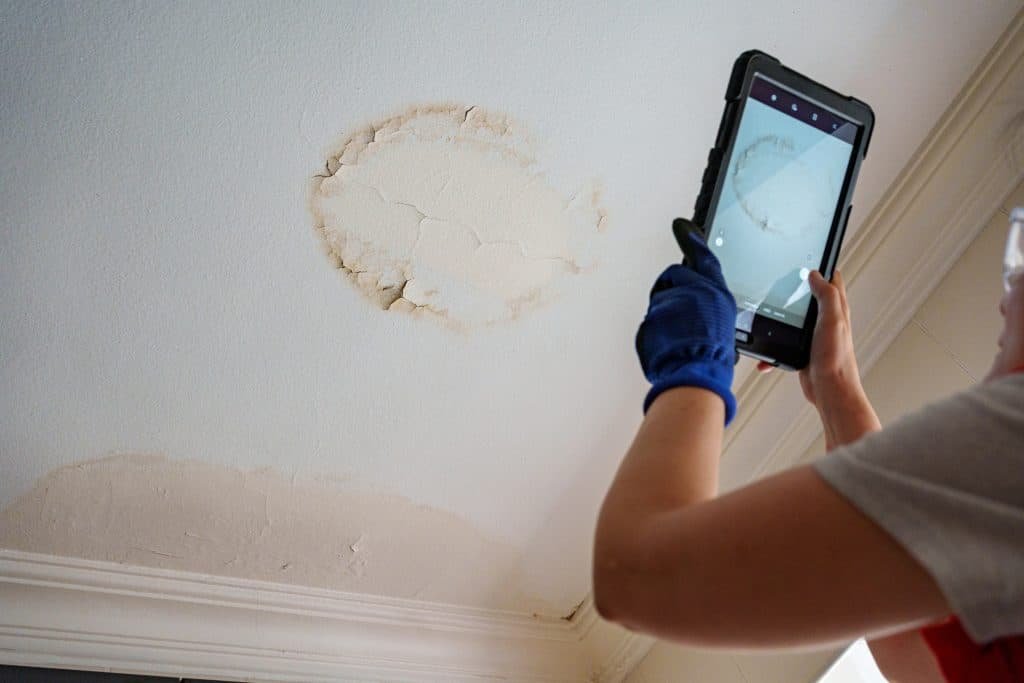
You spend a fortnight on the back bedroom. New lining paper, a deep green on the walls, the good white on the ceiling, curtains that cost more than you’d admit to your mother. Then October arrives, it rains sideways for three days, and a pale brown ring appears in the corner above the window. It grows a little every time it rains.
We see that ring a lot. In Bristol, with its streets of Victorian terraces and chimneys nobody has lit since the seventies, the inside of the house nearly always gives the game away before the outside does. Nobody looks at their roof. Everybody looks at their ceiling. So here’s how to read the clues indoors, and how to stop a freshly decorated room getting ruined twice.
Where the Stain Sits Tells You Most of the Story
Position matters more than size. Ask anyone at Bristol Roofing Pros what a leak looks like and they’ll probably describe a ceiling before they describe a slate. Here’s roughly how we read one:
- Next to a chimney breast. Almost always the flashing (the lead strips that seal the joint between stack and roof) or a cracked mortar fillet doing the same job badly.
- Along the top of an outside wall. Think gutters first. A blocked or sagging gutter spills water back behind the fascia and it tracks down inside the wall.
- In a line across the middle of the room. Often a valley, where two roof slopes meet. Bay-fronted terraces have plenty, often with lead that has since split.
- Right under the bathroom. Probably not the roof at all. Check the bath seal and the waste before you ring a roofer.
One more test. If the stain only darkens after heavy rain with a strong wind behind it, that’s driven rain finding a gap. If it’s there and spreading on dry days too, suspect plumbing or the cold water tank in the loft instead.
Damp in Top-Floor Bedrooms: Roof or Condensation?
This one causes the most arguments, usually between couples. Top-floor bedrooms in older houses get cold. Two people asleep in a room with the door shut put a surprising amount of moisture into the air, and it settles on the coldest surface it can find. That’s generally the external corner where the ceiling meets the wall, or the bit just under the eaves where the loft insulation stops short. It can look exactly like a leak.
A rough way to tell them apart. Condensation mould tends to be spotty, black, and worse in winter and in the mornings. Roof leaks leave a tide mark with a yellowy brown edge, and the paint often bubbles. Tape a square of kitchen foil to the wall, sealed all round, and leave it for two days. Moisture on the room side of the foil means condensation. Damp underneath it means the water is coming through the wall or ceiling.
We’ll say it plainly: we’ve been called out to plenty of “roof leaks” in Bishopston and Horfield that turned out to be a gap in the loft insulation and a window that never gets opened. Good news for your wallet, even if it comes with a lecture about trickle vents.
Loft Conversions and Roof Windows
Loft rooms are lovely. They’re also the part of the house with the least margin for error.
Roof windows are the obvious worry in conversions around Redland and Cotham. The flashing kit around a Velux-style window is reliable when it’s fitted properly, but if someone skimped on the underlay collar or bedded it on a slope that’s too shallow, water gets in at the top corners and runs down the reveal.
Dormers come next. The cheeks (the little side walls of the dormer) are usually clad in tile, slate or lead, and the joint where they meet the main roof takes a hammering from south-westerly rain. Damp on the side wall of a dormer bedroom is very often a cheek problem rather than the window itself.
And then there’s the one that isn’t a leak at all. The sloping ceiling, which roofers call a coomb, is where insulation gets squeezed into a tight space, and if there’s no ventilation gap behind it, condensation forms on the underside of the roof and drips back into the plasterboard. It looks like a leak. Left alone, it rots timbers like one too.
If you’ve just bought a house with a conversion, ask whether it had building regulations sign-off.
Bristol Houses and Their Usual Weak Spots
The weather here is wet rather than wild. We get somewhere around 800mm of rain in a typical year, much of it blown in off the Severn on a south-westerly.
In Southville and Bedminster, the long rows of Victorian terraces mostly carry Welsh slate on timber battens. The slate itself often outlasts the lot. What usually fails are the nails holding it (nail fatigue, where the fixings rust through and slates start to slip) and the lead in the valleys and around the chimneys.
Clifton is a different animal. Plenty of the big Georgian and early Victorian houses have parapet walls at the front with a hidden gutter behind them. When that gutter blocks with leaves or the lining splits, water pools and finds its way into the top of the front wall. The first sign is usually damp high up in a grand front room, right where the cornice is. Restoring ornate plasterwork costs far more than relining a gutter.
Interwar semis further out, in Henleaze and Westbury-on-Trym, tend to have clay or concrete tiles and simpler roofs. Their weak spots are often the bay roofs and the flat roofs over back extensions, which age much faster than the main pitch.
Protecting a Newly Decorated Room
Fix the roof first. We regularly meet homeowners who’ve painted over a stain with stain block, thinking the leak was a one-off. It wasn’t. Now there’s a new stain on a new ceiling, and the decorator wants paying again.
Once the cause is sorted, give the plaster time to dry. A small stain on a sound ceiling may only need a week or two of heating and airflow. If the plasterboard has gone soft or sagged, it needs cutting out and replacing, then a skim, then drying time before paint. New plaster can take three or four weeks to dry properly in a cold room. Rush it and the chalky, breathable paints popular in period houses will flake.
A cheap moisture meter (£15 to £30) will tell you more than your fingertip. And if you’re about to spend serious money on a room at the top of the house, it’s worth having the roof above it checked beforehand. A couple of hundred pounds now beats redoing wallpaper at £40 a roll.
What Putting It Right Usually Costs
Rough 2026 figures for a typical two-storey terrace or semi. Small jobs can often be done from a roof ladder, while chimney and valley work often needs scaffold, which adds £500 to £1,000 on a standard terrace.
- Replacing a few slipped slates or tiles: £150 to £400
- New lead flashing around a chimney: £400 to £900
- Relining a valley: £600 to £1,500
- Re-flashing a roof window: £250 to £500, or £700 to £1,400 for a new window fitted
- Repairing a dormer cheek: £400 to £1,200
- Relining a parapet gutter: £1,200 to £3,000, depending on length and access
- Replacing a water-damaged ceiling inside: £400 to £900 for a standard bedroom, before decorating
Whoever you use, get a written quote that names the materials, and ask to see their public liability insurance (£2 million is sensible). Photos of the problem from up top are a bonus. Membership of the NFRC or registration with TrustMark is a reasonable sign, though not the only one. A deposit of more than 30% before work starts should make you pause. So should anyone who knocks unannounced having “spotted something” on your roof.
If there’s a mark on a ceiling you’d rather not paint over twice, have a word with Bristol Roofing Pros before the decorators book in.
Frequently Asked Questions
Why has a brown stain appeared on my bedroom ceiling after rain?
A brown or yellow ring that grows after wet, windy weather usually means water is getting past the roof covering, most often at the chimney flashing or a slipped slate. If it’s near an outside wall, check the gutters first. Fixing the cause is often £150 to £900, depending on what’s failed and whether scaffold is needed.
How long should I wait to redecorate after a roof leak?
Once the leak is fixed, a small stain on sound plaster may only need a week or two to dry before stain block and paint. If the ceiling needs replacing and skimming, allow three to four weeks for new plaster to dry in a cold room.
Do roof windows in Bristol loft conversions leak more than other parts of the roof?
Not if they’re fitted properly. Most leaks we find around roof windows come from poor flashing or underlay details at the top corners, not the window itself. Re-flashing usually costs £250 to £500, and a new window fitted runs roughly £700 to £1,400.
Is the damp in my top-floor bedroom the roof or condensation?
Black spotty mould in cold corners, worse in winter mornings, usually points to condensation. A tide-marked brown stain with flaking paint points to a leak. Taping a sealed square of foil to the patch for two days is a simple way to tell the difference before calling anyone out.
How much does it cost to fix a leak and repair the ceiling in Bristol?
For a typical terrace or semi, expect £150 to £900 for the roof repair itself, plus £500 to £1,000 if scaffold is needed. Replacing a damaged bedroom ceiling adds around £400 to £900 before decorating.