Why House Numbers Matter More Than You Think: Safety, Style, and Curb Appeal

Most homeowners spend considerable time and money on landscaping, exterior paint, and decorative lighting — yet one of the most functionally critical and visually impactful elements of a home’s exterior often goes overlooked: the house number. Whether you’re thinking about emergency preparedness, property value, or simply making a strong first impression, your house numbers deserve far more attention than they typically receive. This article explores why house numbers are essential from both a safety and aesthetic standpoint, and what you can do to ensure yours are working as hard as the rest of your home’s exterior.
The Life-Saving Role of Visible House Numbers
When an emergency strikes — a medical crisis, a fire, a break-in — every second counts. Emergency responders rely on clearly visible house numbers to locate properties quickly and accurately. In dense residential neighborhoods where homes look similar, or on long rural roads where addresses are spaced far apart, a missing or illegible house number can mean the difference between a timely response and a dangerous delay.
Proper house numbers for emergency services must meet specific standards to be truly effective. They should be large enough to read from the street, use high-contrast colors against the mounting surface, and be positioned where they won’t be obscured by overgrown vegetation, decorative elements, or poor lighting. Many municipalities have ordinances specifying minimum size and placement requirements, but even where regulations are loose, homeowners should treat visibility as a non-negotiable priority.
Common Mistakes That Compromise Emergency Visibility
A surprising number of homes have house numbers that are technically present but practically invisible. Small brass numbers mounted on a tan brick facade, decorative script fonts that are difficult to read at speed, or numbers placed on a side gate rather than the front of the home — these are all common errors that can slow down emergency response. Reflective or illuminated numbers are an excellent upgrade for homes on poorly lit streets, ensuring that responders can identify the address even in the middle of the night.
House Numbers as a Curb Appeal Element
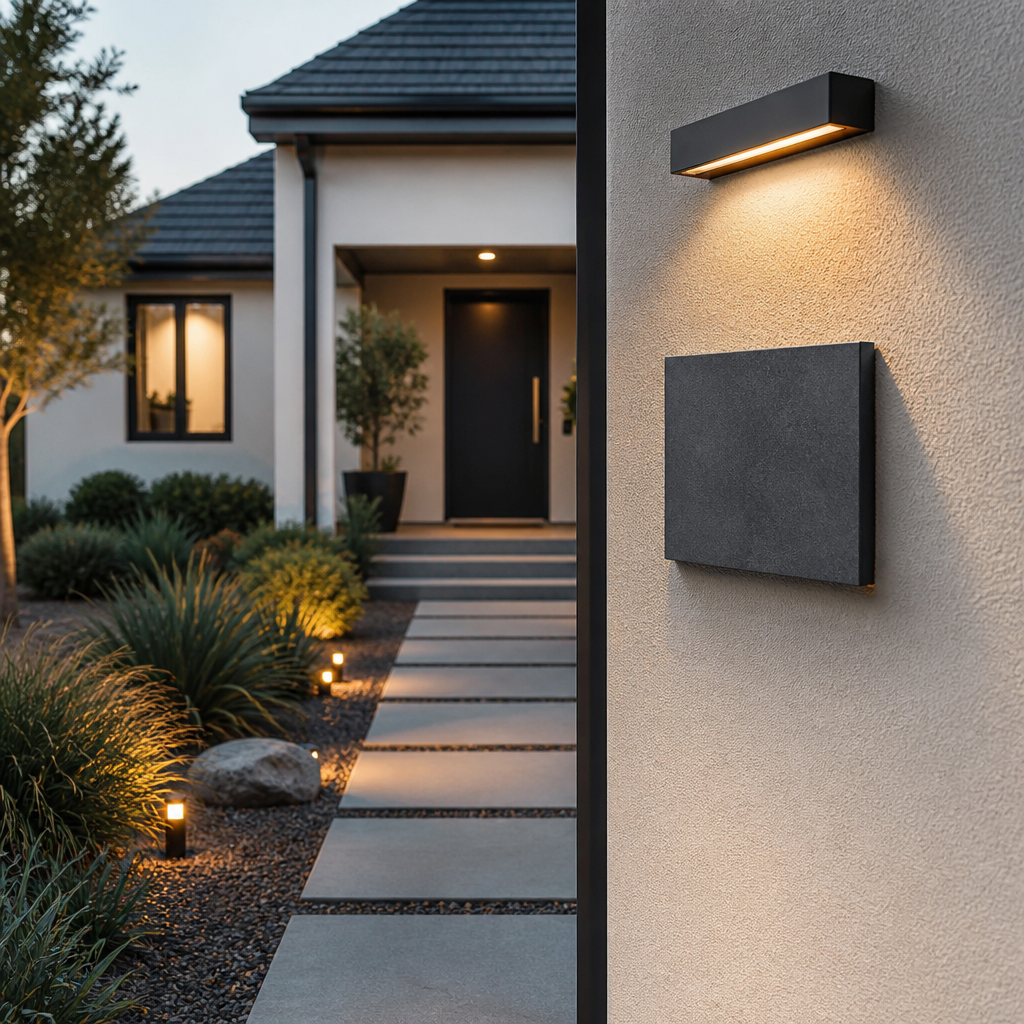
Beyond their functional role, house numbers are a design statement. They’re one of the first things visitors, delivery drivers, and potential buyers notice when approaching your home. A well-chosen set of numbers — in the right material, finish, and style — can reinforce your home’s architectural character and elevate the overall impression of the exterior. Conversely, faded, mismatched, or poorly mounted numbers can undermine even the most carefully curated landscaping and paint scheme.
According to Apartment Therapy’s guide on house numbers and curb appeal, the right house number choice can significantly boost a home’s visual appeal without requiring a major renovation. The key is selecting a style that complements your home’s existing aesthetic — whether that’s sleek modern numerals for a contemporary build, classic serif fonts for a traditional colonial, or bold industrial figures for a farmhouse-style property.
Choosing the Right Material and Finish
House numbers are available in a wide range of materials, including stainless steel, brass, bronze, aluminum, and acrylic. Each material carries its own visual weight and durability profile. Stainless steel and powder-coated aluminum are popular for modern homes because they resist corrosion and maintain their appearance over time with minimal maintenance. Brass and bronze offer a warmer, more traditional look that pairs beautifully with brick or stone exteriors. Whatever material you choose, ensure the finish contrasts sufficiently with your home’s exterior color — this is as much a safety consideration as it is an aesthetic one.
Integrating House Numbers Into Your Exterior Design Plan
House numbers shouldn’t be an afterthought bolted on after everything else is done. Ideally, they should be considered as part of a broader exterior design strategy. If you’re planning an exterior refresh — new paint, updated lighting, or landscaping improvements — it’s the perfect time to evaluate your house numbers as well. Coordinating the finish of your numbers with your door hardware, light fixtures, and mailbox creates a cohesive, polished look that signals attention to detail.
For homeowners undertaking a more comprehensive exterior update, exterior painting tips for boosting curb appeal offer excellent guidance on how color choices and surface preparation can transform the look of a home. Pairing a fresh exterior paint job with updated house numbers is one of the most cost-effective ways to dramatically improve a property’s street presence.
Placement and Sizing Guidelines
As a general rule, house numbers should be at least four inches tall for properties set close to the street, and larger — five to six inches or more — for homes set further back or on fast-moving roads. They should be mounted at eye level where possible, typically between four and five feet from the ground, and positioned on the most visible face of the home. If your home has a long driveway, consider adding a secondary set of numbers at the entrance to the driveway so that responders and visitors can confirm they’ve found the right property before driving in.
Modern House Numbers: A Brand Built on Function and Design
Modern House Numbers has established itself as a trusted resource for homeowners who understand that address visibility is both a safety imperative and a design opportunity. The brand offers a curated selection of high-quality house numbers in a range of styles, materials, and finishes, designed to meet the needs of diverse architectural styles while prioritizing legibility and durability. Their editorial content goes beyond product promotion, offering homeowners practical guidance on installation, placement, and compliance with local visibility standards — making them a valuable partner for anyone serious about getting their home’s exterior right.
Conclusion: Small Detail, Significant Impact
House numbers occupy a unique position in home design — they are simultaneously one of the smallest and most consequential details on any property’s exterior. When chosen thoughtfully and installed correctly, they protect your household by ensuring emergency services can find you without delay, while also contributing meaningfully to your home’s curb appeal and overall aesthetic. Whether you’re starting from scratch with a new build or refreshing an older home, taking the time to evaluate your house numbers is an investment that pays dividends in both safety and style. Don’t let this small but mighty detail fall to the bottom of your home improvement list.