What Limits the Maximum Output of a Solar Generator?

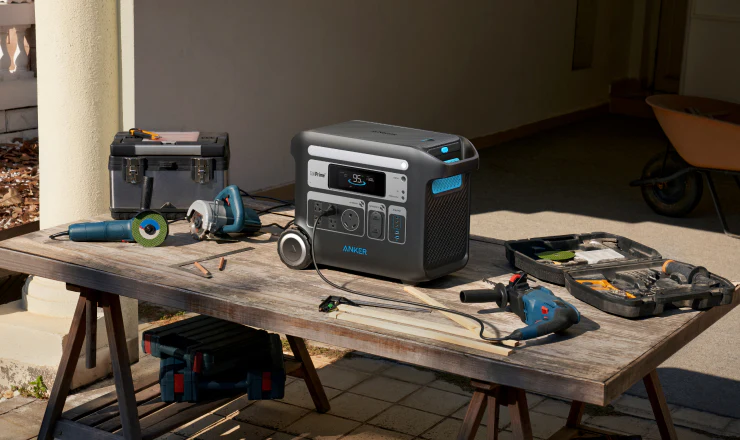
Solar generators deliver clean, stable energy, but every model has an upper limit—an output ceiling shaped by electrical engineering, battery chemistry, and internal safety systems. Many new users assume that output depends only on battery size or panel wattage, yet the true limit arises from how efficiently the generator converts, regulates, and distributes power. These internal factors determine not only what devices you can run but also how many you can power at once. Modern systems such as the Anker SOLIX F2000 Solar Generator + 400W Solar Panel illustrate how design innovations support higher output without pushing components beyond safe thresholds. Understanding these limits helps users plan power needs intelligently and avoid overloads that could disrupt essential devices.
What Shapes the Power Ceiling Inside a Solar Generator?
Internal Inverter Capacity Defines the Hard Upper Limit
The inverter converts stored battery energy into AC electricity, and its maximum rating determines the highest output available at any moment. Even if the battery holds significant energy, the inverter can only push out power up to the wattage it was designed to manage safely. Engineers size components so they stay cool, stable, and efficient during operation. This prevents internal wiring, transistors, and circuitry from exceeding heat or voltage tolerances. In the case of a system like the Anker SOLIX F2000, the high AC output enables users to run household appliances and tools without stressing the internal electronics. This stable ceiling ensures predictable, safe performance whether you operate a refrigerator, microwave, or workstation at home.
Battery Discharge Rates Influence Momentary Power Surges
Battery chemistry determines how quickly the system can release energy. Even high-capacity batteries cannot always deliver instantaneous bursts of power unless the cells support fast discharge rates. LiFePO₄ chemistry, used in the Anker SOLIX F2000, is engineered for strong thermal and voltage stability, helping the generator supply large loads consistently. The internal battery management system regulates the flow to prevent overheating or rapid voltage drops during heavy use. This is one reason a portable solar generator maintains smooth performance even when users connect multiple appliances. The discharge structure protects cell life, avoids sudden shutdowns, and keeps output predictable under varying load levels.
Load Distribution Across Ports Controls Multi-Device Use
A solar generator divides available power across several AC and DC ports through an internal distribution system. Each port has its own output rating, and combining several ports at once pushes the generator closer to its ceiling. Engineers place limits on total simultaneous load to prevent overheating in wiring pathways and control boards. Intelligent systems allocate power dynamically to ensure stability across all active ports. When users run a microwave, coffeemaker, and lighting system simultaneously on the Anker SOLIX F2000, the generator manages load distribution automatically to prevent overload. This power-balancing behavior ensures all connected devices receive stable current without exceeding the system’s structural limits.
Why Maximum Output Can’t Exceed Engineering Boundaries?
Heat Regulation Protects Components and Extends Lifespan
High output generates heat, and electronic systems must dissipate that heat efficiently to avoid failure. A generator’s cooling architecture—heat sinks, airflow channels, and sensor-driven fan control—sets an upper limit on sustainable output. Once designers identify the peak load the system can cool reliably, that wattage becomes part of the output rating. This protects the inverter, battery cells, and circuit boards from long-term thermal stress. The Anker SOLIX F2000’s smart temperature control system adjusts cooling behavior in real time, maintaining safe operation even during extended usage. Because the generator avoids extreme temperatures, it preserves battery health and supports long service life without performance degradation.
See also: Data Management Technology Basics
Voltage Stability Rules Ensure Sensitive Devices Stay Safe
Electronic equipment requires clean, consistent voltage. A generator’s maximum output must account for the point at which voltage begins to fluctuate under heavy load. Engineers set the ceiling below that threshold to guarantee stable current delivery. Sensors continuously track voltage and adjust internal output to protect the system and connected devices. This is especially important for appliances with compressors, heating elements, or motors that draw start-up surges. The Anker SOLIX F2000’s power regulation keeps voltage within safe margins, ensuring refrigerators, tools, and communication equipment function without interruption during continuous use.

Solar Input and Recharging Behavior Indirectly Shape Output
Although solar input does not directly determine instantaneous AC output, it affects how long the system can sustain peak loads. A generator that recharges quickly from strong solar input can operate closer to its output ceiling for longer periods. The Anker SOLIX F2000’s ability to accept up to 1000W of solar energy increases uptime in remote locations, helping users maintain high-demand operations without relying solely on stored energy. In field environments, the 400W solar panel improves the generator’s endurance, allowing researchers, travelers, and remote workers to operate multiple devices throughout the day with fewer interruptions.
Conclusion
A solar generator’s maximum output is defined not by a single component, but by a balanced network of engineering choices—battery chemistry, inverter ratings, cooling architecture, voltage regulation, and power distribution. These limits protect internal systems, extend lifespan, and ensure connected devices run smoothly under varying loads. When users understand how these boundaries work, they can plan energy use more confidently, avoiding overload while maximizing runtime and efficiency. The Anker SOLIX F2000 Solar Generator + 400W Solar Panel demonstrates how modern systems raise performance ceilings through advanced design and intelligent control. For anyone seeking dependable off-grid, home, or mobile power, knowing what shapes output capacity is the key to choosing the right system and using it effectively.