How to Create a Reusable Sticker Book That Sells

Introduction
The stationery and creative merchandise market is growing fast, and one product that stands out in 2026 is the reusable sticker book. It combines creativity, organization, and sustainability in one interactive product. For artists, designers, and entrepreneurs, this is not just a fun item—it is a real business opportunity. Learning how to design and launch a successful reusable sticker book can help you build a profitable product that appeals to kids, collectors, planners, and creative hobbyists.
Understand What Makes a Sticker Book Sell
It Must Be Fun and Interactive
A sticker book sells when it offers an engaging experience. Customers want something they can interact with, not just look at. The ability to rearrange stickers and create different scenes adds huge value.
It Must Be Visually Appealing
Design plays a major role in buying decisions. Bright colors, clean layouts, and attractive themes help your product stand out in a competitive market.
It Must Offer Value
A product becomes successful when users feel they are getting more than what they paid for. Reusability, durability, and creativity all increase perceived value.
Step 1: Choose a Strong Concept
Identify Your Target Audience
Before designing your sticker book, decide who it is for. Common audiences include:
- Kids and students
- Planners and journal users
- Artists and illustrators
- Collectors and hobbyists
Each group has different expectations, so your design should match their needs.
Pick a Theme That Sells
Popular themes include:
- Cute aesthetic designs
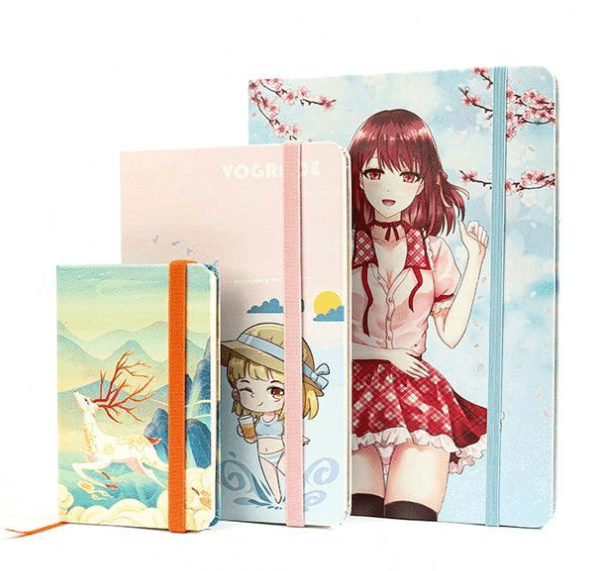
- Anime and pop culture
- Nature and travel
- Minimal and modern styles
- Fantasy and storytelling scenes
A strong theme makes your reusable sticker book more attractive and easier to market.
Step 2: Design High-Quality Pages
Use Reusable Page Material
The key to a successful sticker book is its pages. They should be coated or laminated to allow stickers to stick and peel multiple times without damage.
Create Engaging Backgrounds
Instead of plain pages, design backgrounds like rooms, parks, cities, or abstract patterns. This gives users more creativity while arranging stickers.
Balance Empty and Designed Spaces
Leave enough blank space so users can freely create their own layouts while still offering guided design inspiration.
Step 3: Create or Source Stickers
High-Quality Sticker Design
Stickers should be colorful, clear, and visually appealing. Poor-quality designs will reduce the overall value of your product.
Offer Variety
Include different sticker types such as:
- Characters
- Objects
- Decorative elements
- Seasonal themes
- Quotes and icons
Ensure Reusability
Use high-quality adhesive materials that allow stickers to be reused multiple times without losing stickiness.
Step 4: Focus on User Experience
Easy to Use Layout
Your sticker book should be simple and intuitive. Users should easily understand how to place and move stickers.
Portable Size
A compact and lightweight design makes it easy to carry, increasing usability for kids, planners, and travelers.
Durable Construction
Strong binding and thick covers ensure your product lasts long, improving customer satisfaction.
Step 5: Make It Aesthetic and Trendy
Follow Market Trends
Stay updated with trends on platforms like TikTok and Instagram. Aesthetic and themed designs often go viral.
Use Modern Design Styles
Minimalism, pastel colors, and soft illustrations are currently very popular in creative stationery products.
Add Personal Touches
Customization options such as names, covers, or themed packs make your product more unique and desirable.
See also: Best AR Glasses vs VR Headsets: Which Is Better in 2026?
Step 6: Add Reusability as a Key Selling Point
Highlight Eco-Friendly Benefits
A reusable sticker book reduces waste and promotes sustainability, which is a strong selling point in modern markets.
Emphasize Long-Term Value
Customers appreciate products they can use repeatedly instead of single-use items.
Promote Creative Freedom
Reusability allows users to redesign pages endlessly, which increases engagement and satisfaction.
Step 7: Price It Correctly
Understand Production Costs
Calculate material, printing, and packaging costs before setting a price.
Study Competitor Pricing
Research similar products in the market to find a competitive price range.
Offer Different Versions
Create basic, premium, and collector editions to reach different customer segments.
Step 8: Build Strong Branding
Create a Memorable Name
Your brand name should be easy to remember and reflect creativity or fun.
Design Attractive Packaging
Packaging plays a major role in customer perception. A well-designed box or sleeve increases product value.
Tell a Story
Customers connect better with brands that have a story behind their product.
Step 9: Marketing Your Sticker Book
Use Social Media
Showcase your sticker book through videos and aesthetic images on platforms like Instagram, TikTok, and Pinterest.
Collaborate with Creators
Influencers and artists can help promote your product to a wider audience.
Offer Launch Promotions
Discounts, bundles, or limited editions can increase early sales and build demand.
Step 10: Improve Through Feedback
Collect Customer Reviews
Feedback helps you understand what users like and what needs improvement.
Update Designs Regularly
Add new sticker packs or themes to keep your product fresh and exciting.
Stay Consistent
Consistency in quality and design builds trust and repeat customers.
Conclusion
Creating a successful reusable sticker book is a combination of creativity, planning, and smart marketing. From choosing the right concept to designing engaging pages and promoting your product effectively, every step matters. A well-designed reusable sticker book not only offers fun and creativity but also meets modern demands for sustainability and personalization. With the right approach, you can turn this simple idea into a profitable and highly marketable product in today’s growing creative merchandise industry.