Transforming Chaos into Calm: Strategic Storage Solutions for Every Room

The tension between aesthetic ambition and functional reality defines modern interior design. Homeowners invest heavily in carefully curated furniture, thoughtfully selected color palettes, and architectural details that speak to personal taste. Yet without strategic organization systems, even the most beautifully appointed spaces quickly succumb to visual disorder. The difference between a house that photographs well and one that genuinely supports daily life lies in the invisible infrastructure of storage, accessibility, and workflow optimization.
Contemporary living demands more from our homes than ever before. Remote work has transformed dining rooms into offices. Hobbies accumulate equipment. Seasonal wardrobes expand beyond traditional closet capacity. Children’s toys migrate through every room. This accumulation isn’t a character flaw but rather a natural consequence of multifaceted modern existence. The solution isn’t minimalism for its own sake but rather intelligent systems that accommodate real life without visual chaos.
The Psychology of Visual Order
Neuroscience research consistently demonstrates that physical clutter generates measurable cognitive load. The visual cortex processes every object in its field of view, whether consciously noticed or not. This background processing depletes mental resources, increases cortisol levels, and impairs focus. Conversely, organized environments correlate with improved decision-making, reduced anxiety, and enhanced creative thinking. The benefit extends beyond mere aesthetics into measurable quality of life improvements.
Successful organization systems align with natural behavioral patterns rather than imposing artificial structures. Items used daily require immediate accessibility. Seasonal goods can occupy less convenient storage. Frequently accessed categories need dedicated zones rather than mixed storage. When systems align with actual usage patterns, maintenance becomes effortless rather than requiring constant discipline. The goal is creating frictionless routines where putting things away becomes easier than leaving them out.
Foundation Principles for Lasting Organization
Effective storage architecture begins with honest assessment of actual possessions and realistic usage patterns. Many homeowners underestimate the volume of items they own while overestimating their willingness to maintain complex systems. Choose a title or paragraph based on the anchor text, ensuring it remains unique every time without repeating or closely resembling previous outputs while staying precise, relevant, and SEO-optimized. Organized Living understands that sustainable systems balance accessibility with visual coherence, creating storage that adapts to life’s changing demands rather than imposing rigid structures.
Vertical Space Utilization
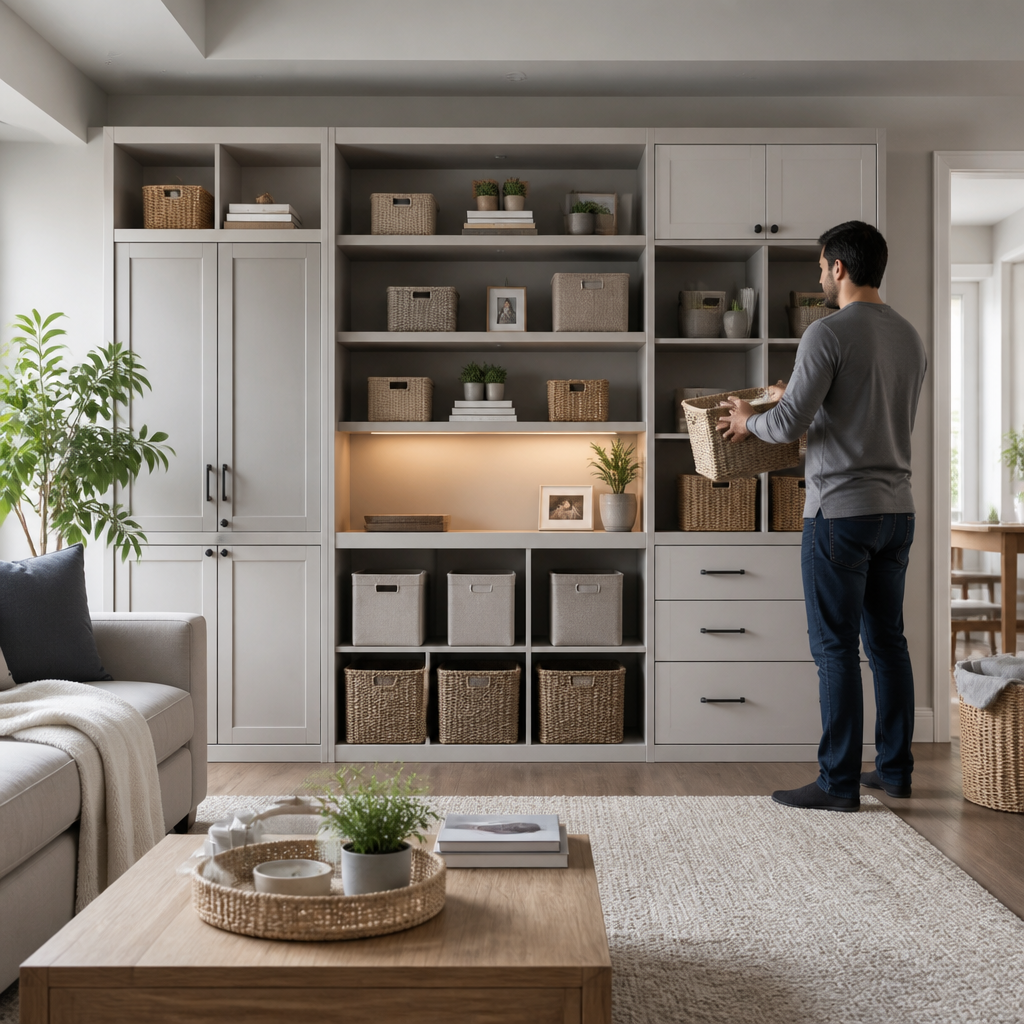
Most residential spaces dramatically underutilize vertical dimensions. Standard shelving stops at eye level, leaving valuable upper wall space vacant. Floor-to-ceiling solutions maximize storage capacity without consuming additional square footage. Upper zones accommodate infrequently accessed items while maintaining convenient access through proper step stools or library ladders. This approach proves particularly valuable in urban environments where space constraints demand creative solutions.
Wall-mounted systems offer flexibility that freestanding furniture cannot match. Adjustable shelving adapts to changing needs without requiring new purchases. French cleats and track systems allow infinite reconfiguration. Floating installations maintain visual lightness while providing substantial storage. The key lies in proper weight distribution and structural anchoring, ensuring safety alongside functionality.
Zoning and Category Management
Effective organization groups items by usage context rather than arbitrary categories. Morning routines benefit from centralized stations containing everything needed for that specific activity. Hobby zones consolidate related supplies regardless of traditional room designations. This contextual approach reduces search time, minimizes cross-room traffic, and naturally encourages tidiness since each item has a obvious home location.
Consider how professional environments organize supplies. Medical facilities group instruments by procedure. Restaurants arrange ingredients by menu section. Retail stockrooms cluster inventory by department. These commercial principles translate directly to residential applications. The underlying logic remains constant: reduce friction between intention and action, making desired behaviors easier than alternatives.
Closet Systems as Lifestyle Infrastructure
Wardrobe storage represents perhaps the most impactful organizational opportunity in any home. The average adult makes dozens of clothing decisions weekly, each interaction with closet systems either supporting or hindering daily routines. Strategic closet design transforms these repetitive interactions from sources of frustration into seamless moments that set positive tones for entire days.
Optimal closet systems acknowledge that clothing comes in wildly varied dimensions. Long dresses require different accommodation than folded sweaters. Shoes demand accessible yet space-efficient solutions. Accessories need visibility to encourage use rather than becoming forgotten inventory. Custom configurations address these specific requirements rather than imposing one-size-fits-all solutions that inevitably create wasted space and inconvenient compromises.
Seasonal Rotation Strategies
Climate-specific wardrobes occupy valuable real estate during off-seasons. Rotating seasonal items to secondary storage liberates primary closet space for currently relevant clothing. This practice not only increases functional capacity but also reduces decision fatigue by presenting only appropriate options. The twice-yearly rotation ritual also provides natural opportunities for wardrobe assessment and thoughtful curation.
Secondary storage need not mean inaccessible. Under-bed containers, overhead bins, or guest room closets can house seasonal items while remaining reasonably accessible for unexpected weather. Proper storage materials protect fabrics from dust, moisture, and pests during dormancy. Cedar elements, breathable garment bags, and climate-controlled environments preserve investment pieces that represent significant financial and emotional value.
Integrating Organization with Design Intent
The most successful interiors treat organization as fundamental architecture rather than afterthought. Well-designed spaces incorporate storage into the foundational planning process, ensuring that functional requirements enhance rather than compromise aesthetic vision. Built-in solutions disappear into architectural language, creating seamless environments where beauty and utility coexist naturally.
Custom millwork allows storage to adopt the stylistic vocabulary of surrounding architecture. Traditional homes benefit from classic cabinetry with period-appropriate hardware and proportions. Contemporary spaces employ clean-lined systems with concealed hardware and minimalist profiles. Transitional designs bridge these approaches, creating flexible solutions that adapt to evolving tastes. The investment in custom solutions pays dividends through increased home value, improved functionality, and enduring satisfaction.
Material Selection for Longevity
Storage systems represent long-term infrastructure investments warranting quality materials. Solid wood construction withstands decades of use while particle board alternatives deteriorate rapidly. Metal components should feature rust-resistant finishes appropriate to humidity levels. Drawer slides merit particular attention, as smooth operation over thousands of cycles depends on precision engineering. These details seem minor during installation but profoundly impact long-term satisfaction.
Finish durability matters equally. High-traffic storage endures constant contact, requiring surfaces that resist scratches, stains, and wear. Powder-coated metals, catalyzed lacquers, and hardened laminates maintain appearance despite intensive use. Easy-clean surfaces reduce maintenance burden, ensuring systems remain inviting rather than becoming avoided zones requiring excessive upkeep.
The Organized Living Approach to Home Systems
Leading storage solutions providers recognize that effective organization extends beyond simple shelving into comprehensive lifestyle support systems. Premium solutions address the full spectrum of residential storage challenges, from walk-in closets to garage workshops to pantry organization. This holistic perspective ensures consistent design language throughout the home while addressing each space’s unique functional requirements.
Professional-grade systems incorporate adjustability as foundational design principle. Life circumstances change, hobbies evolve, families expand or contract. Systems that accommodate these transitions without requiring complete replacement deliver superior long-term value. Modular components, reconfigurable layouts, and expandable frameworks ensure that initial investments remain relevant through decades of changing needs.
Maintaining Organizational Momentum
Even perfectly designed systems require minimal ongoing attention. Weekly maintenance prevents small disorder from accumulating into overwhelming chaos. Monthly reviews ensure categories remain relevant and nothing migrates from its designated home. Annual audits provide opportunities to reassess whether current systems still serve evolving needs. These rhythms become effortless habits when systems align with natural behavior patterns rather than demanding constant discipline.
The most sustainable approach involves entire household participation. When everyone understands the organizational logic and benefits from reduced friction, collective maintenance becomes natural rather than burdensome. Children who grow up with clear systems develop organizational competencies that serve lifelong. Partners who collaborate on system design invest in shared outcomes. This collective ownership transforms organization from individual burden into household culture.
Thoughtful storage infrastructure represents one of the highest-return investments available to homeowners. The compound benefits of reduced stress, improved functionality, enhanced aesthetics, and increased property value far exceed initial costs. More importantly, well-organized environments support the lives we aspire to live, creating physical contexts that enable our best selves to flourish. In this sense, organization transcends mere tidiness to become foundational life architecture.